
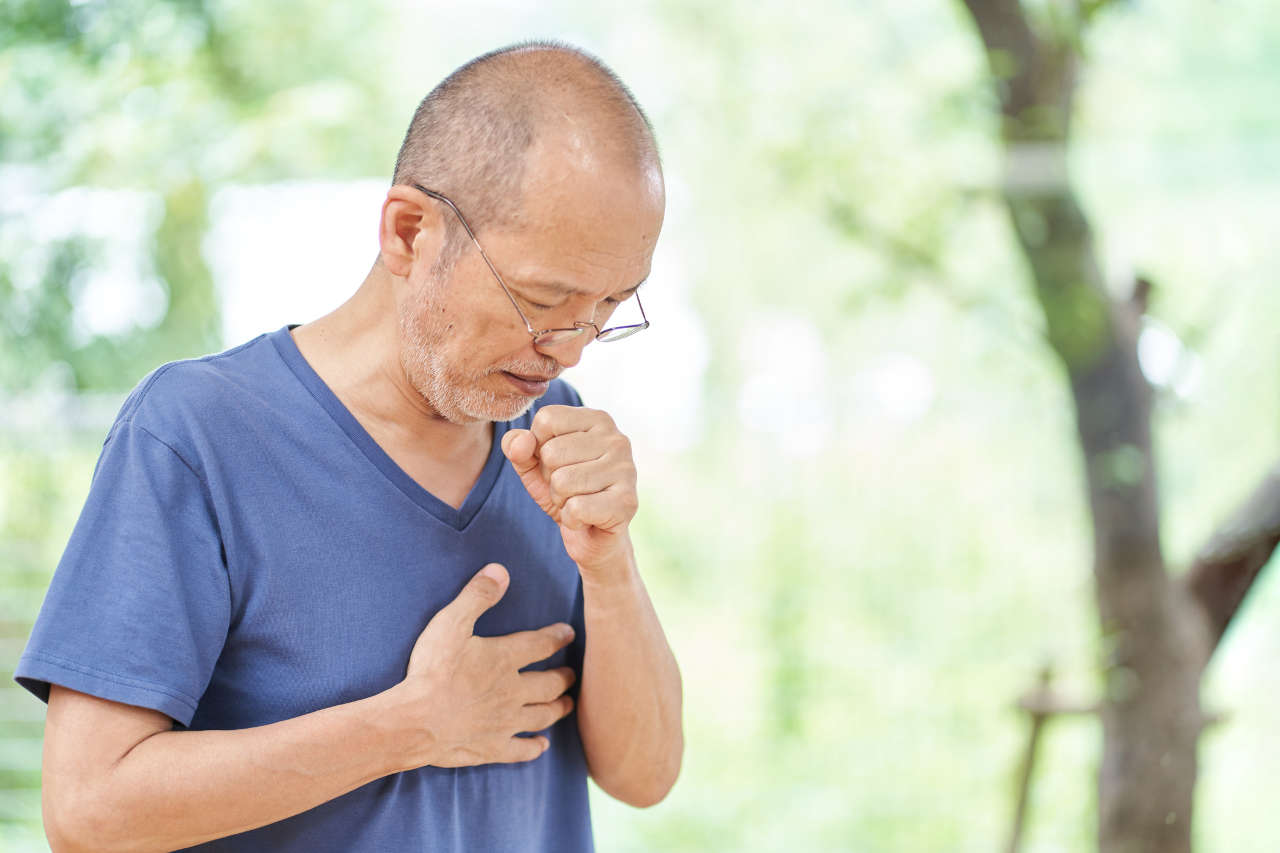
Chronic obstructive pulmonary disease (COPD) is more common in older adults than many people realize. It affects roughly 12% of adults over the age of 65 and can make everyday tasks more difficult. For many seniors with COPD, simple activities like climbing stairs, carrying groceries, or even walking across the room can feel exhausting.
Medbox: Never Sort Medications Again
However, with proper treatment and management strategies, many people with COPD can continue to live active and fulfilling lives. Understanding what is happening in your lungs and learning how to manage symptoms can make daily life much easier. Read on to learn more about COPD and how to better manage it.
What Is COPD?
Chronic obstructive pulmonary disease (COPD) is a chronic lung condition that makes it increasingly difficult to breathe. There are two types of COPD:
- Emphysema
- Chronic bronchitis (this is different from acute bronchitis, which is a short-term inflammation of the airway, typically caused by infections)
Emphysema involves damage to the small air sacs in the distal part of the lungs, while chronic bronchitis involves irritation and swelling of the upper airways, frequently leading to excess mucus production. Common symptoms of both emphysema and chronic bronchitis include shortness of breath, persistent coughing, wheezing, chest tightness, and fatigue. COPD tends to worsen over time, but with treatment, many people can still enjoy a high quality of life.
Causes of COPD
Here are some risk factors for COPD:
- Smoking: Cigarette smoking is the leading cause of COPD and is responsible for about 85–90% of cases. Long-term exposure to tobacco smoke damages the lungs and leads to airway obstruction.
- Second-Hand Smoke: Inhaling cigarette smoke from others can also contribute to COPD.
- Air Pollution or Occupational Exposures: Long-term exposure to polluted air can irritate and damage your lungs. People who regularly inhale dust, chemicals, fumes, or polluted air in their living or work environments are at greater risk of developing COPD.
- Genetics (Alpha-1 Antitrypsin Deficiency): This is a rare genetic condition that can increase the risk of COPD by affecting the lungs’ ability to protect themselves from damage. These patients can develop COPD in their early 30s or 40s.
Treatment Options for Managing COPD
Managing COPD effectively requires a combination of medications, therapies, and lifestyle adjustments, specifically:
Removing the Cause
First and most vital is removing the cause. Smoking cessation is critical if the patient smokes. Stopping smoking slows disease progression.
Bronchodilator Inhalers
Bronchodilators are medicines that open air passages, allowing air to flow through more freely. They are typically prescribed as a first treatment for COPD. Two main types are usually prescribed: short-acting bronchodilators and long-acting bronchodilators.
Short-acting bronchodilators provide quick relief during sudden episodes of breathlessness, while long-acting inhalers control your symptoms throughout the day. When used as prescribed, bronchodilators can help reduce symptoms and make breathing easier.
Corticosteroid Medications
Inflammation in the lungs is persistent with COPD. But corticosteroids can help lower inflammation and lessen swelling in your airways. This broadens your air passages, making it easier for you to breathe.
Corticosteroids are typically administered with inhalers, and they are often prescribed along with bronchodilators. However, they may cause side effects, such as infection or osteoporosis, if used long-term.
Pre-sorted Prescriptions | Home Delivery
Combination Inhalers
Some people with COPD respond best to a combination inhaler. Combination inhalers mix a bronchodilator with a corticosteroid. These inhalers make it easier to take both medications by combining them into one inhaler. Combination inhalers treat symptoms and also reduce COPD flare-ups.
Oxygen Therapy
As COPD progresses, some people experience low blood oxygen levels. Oxygen therapy increases the amount of oxygen your body receives. This allows you to breathe easier and have more energy.
You can use oxygen at home only when you need it, or all the time. Some people use oxygen only during daily tasks to avoid fatigue, which can improve their quality of life. Oxygen therapy can even be lifesaving for people with severe COPD.
Pulmonary Rehabilitation
This treatment can help COPD patients improve their overall quality of life by relieving symptoms and increasing their capacity to engage in physical exercise.
Pulmonary rehabilitation typically includes an exercise program, education about breathing techniques and medicines, dietary recommendations, and advice on quitting smoking if needed. Programs are tailored to each person’s needs and may teach how to properly use supplemental oxygen or perform self-directed workouts at home.
Nebulizer Treatments
Doctors may prescribe nebulizer treatment for someone with COPD. Nebulizers convert liquid medicine into a fine mist that can be inhaled through a mask or mouthpiece. Nebulizers are most beneficial for people who have severe COPD because it can be harder for them to use inhalers.
Nebulizers are used for breathing treatments, and they typically include medicine such as bronchodilators or steroids. When used as prescribed, nebulizer treatments can help reduce shortness of breath and improve breathing.
Age-Appropriate Vaccinations
People with COPD are strongly recommended to receive several vaccines that prevent respiratory infections, because infections are one of the most common triggers of COPD exacerbations and hospitalizations. Even a routine infection can significantly worsen breathing in these patients. Ask your doctor if you are due to update your influenza, RSV, COVID-19, or pneumococcal vaccines.
Antibiotics for Respiratory Infections
People with COPD are susceptible to lung infections like pneumonia or bronchitis. Doctors will often prescribe antibiotics to help clear up these infections. Antibiotics help treat infections within the lungs.
Since those who suffer from COPD are more likely to contract respiratory infections, it is important to take proper precautions to stay healthy. Your doctor may recommend getting yearly flu shots and pneumonia vaccines to help prevent serious respiratory infections. This is one of the best flu prevention tips for seniors.
Lifestyle and Activity Management
Regular physical activity is important for people living with COPD. Exercise can help improve endurance, strengthen muscles, and reduce breathlessness during daily activities.
It’s also important to consider some low-impact exercises for seniors, such as walking, swimming, or yoga. Simple lifestyle changes like quitting smoking, avoiding pollutants, and eating a healthy diet can also slow COPD progression and prevent flare-ups.
Medbox: Simplify Your Prescription Routine
Surgical Options for Severe COPD
In severe cases where other treatments no longer provide relief, surgery may be considered. A doctor may perform surgery to remove damaged lung tissue to improve breathing or even transplant the lungs altogether. While these options are risky, they can greatly improve the patient’s quality of life if other options have stopped working.
Conclusion
Living with COPD can be challenging, especially as the condition progresses. However, with proper treatment, healthy lifestyle choices, and ongoing medical care, many people with COPD are able to maintain a good quality of life.
About the Author

Reviewed by Dr. Kurt Hong
Dr. Kurt Hong, M.D., PhD., was raised in Los Angeles, CA. He received his M.D. degree from Harvard Medical School in 1999 and a Ph.D in Cellular and Molecular Pathology from UCLA in 2008. Dr. Hong is a professor who currently teaches at the USC School of Gerontology and the USC Keck School of Medicine, and has received multiple teaching awards. The most rewarding part of his job is providing meaningful care that has a direct impact on patients' lives. His areas of expertise include gerontology, clinical nutrition, geriatrics, integrative health, and precision medicine. Dr. Hong's current areas of research interest include studying nutrition and metabolic factors that contribute to age-related diseases and conditions. In his free time, Dr. Hong enjoys running, hiking, traveling, and cooking.
This information is not a substitute for medical advice or treatment. Talk to your doctor or healthcare provider about your medical condition prior to starting any new treatment. MedBox by AmeriPharma assumes no liability whatsoever for the information provided or for any diagnosis or treatment made as a result, nor is it responsible for the reliability of the content. MedBox by AmeriPharma does not operate all the websites/organizations listed here, nor is it responsible for the availability or reliability of their content. These listings do not imply or constitute an endorsement, sponsorship, or recommendation by MedBox by AmeriPharma. This webpage may contain references to brand-name prescription drugs that are trademarks or registered trademarks of pharmaceutical manufacturers not affiliated with MedBox by AmeriPharma.