
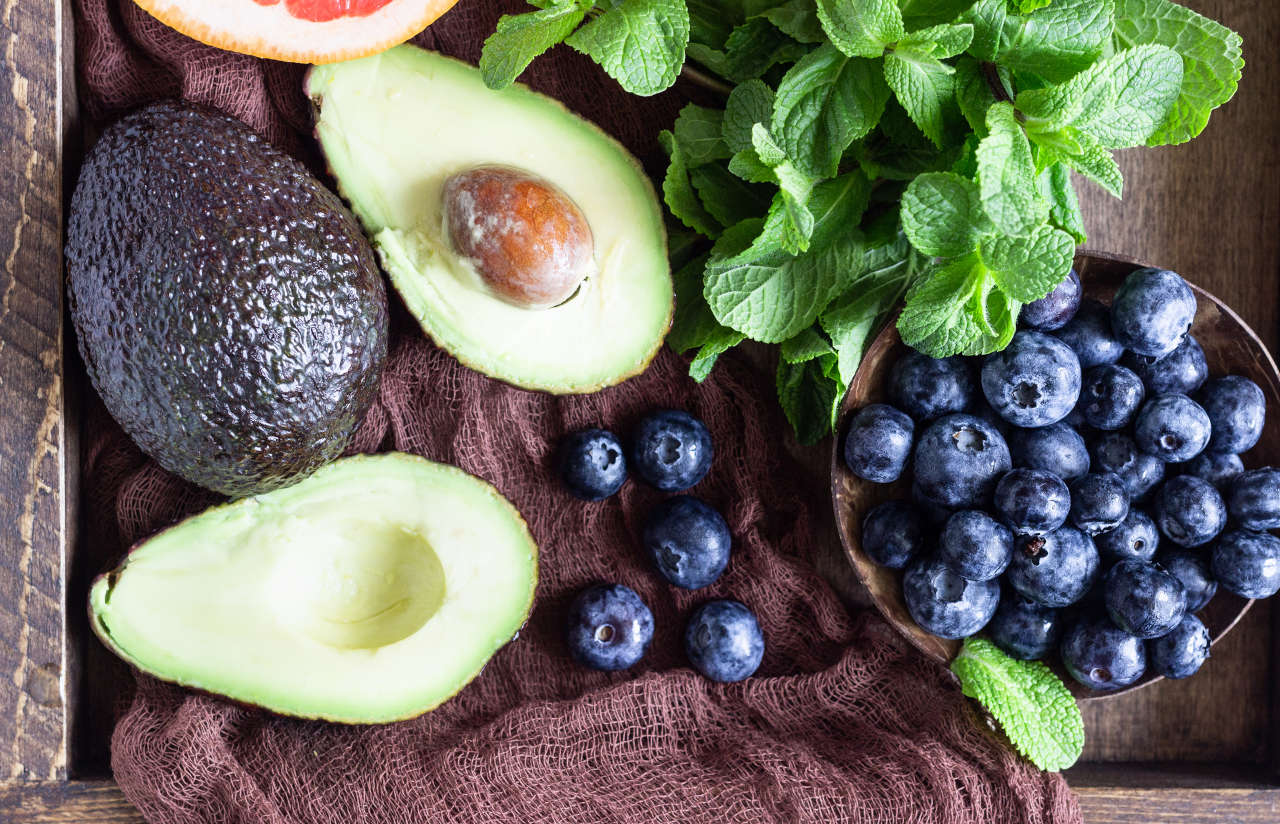
Your skin often reflects what is on your plate as much as, if not more than, what is in your skincare routine. Factors like clarity, radiance, resilience, and even the frequency of breakouts are strongly influenced by your nutritional intake.
Your Prescriptions Sorted and Delivered
While topical lotions and cosmetic procedures can enhance the skin’s surface, lasting skin health begins from within. Nutrient-dense foods provide the vitamins, minerals, and antioxidants your skin needs to repair itself, maintain its structure, and defend against environmental stressors. As the body’s largest organ, your skin relies on proper nourishment to function optimally and maintain a healthy, vibrant appearance.
Certain foods can promote hydration, reduce inflammation, and stimulate collagen production. Read on to discover some of the most effective, evidence-backed foods for maintaining clear, resilient, and radiant skin.
10 Foods That Support Clear and Radiant Skin
Nutrition plays a more significant role in skin health than most people realize. Below are 10 foods that provide key nutrients your skin relies on for structure, repair, and protection:
1. Avocados
Beyond being a delicious addition to your toast or salads, avocados offer impressive benefits for skin health. They are a rich source of monounsaturated fats, which help support the skin’s lipid barrier and prevent moisture loss — key factors in maintaining smooth, supple texture.
Avocados also provide vitamins E and C, antioxidants that help protect skin cells from environmental damage. Together, these nutrients help support collagen integrity, calm inflammation that can contribute to redness and dullness, and promote a healthy and radiant complexion.
2. Blueberries
Blueberries provide exceptional support for skin health due to their high concentration of anthocyanins and antioxidants. Research on the bioactive compounds in berries, when microencapsulated, shows they help neutralize free radicals. Free radicals are unstable molecules that contribute to premature aging, wrinkles, and an uneven complexion.
Regularly consuming blueberries helps your skin fight off oxidative stress, a key driver of dullness and visible skin aging. For instance, a clinical trial showed that people who consumed 22 grams of freeze-dried blueberry powder (equivalent to 1 cup of fresh blueberries) for 8 weeks significantly reduced oxidative stress and cellular stress markers, helping protect collagen and skin cells from premature aging. Additionally, their bioactive compounds also help protect collagen and elastin, the structural proteins responsible for firmness and elasticity. By preserving these proteins, blueberries support smoother, more resilient skin over time.
3. Fatty Fish (e.g., Salmon, Sardines, Herring, Mackerel)
Fatty fish are beneficial to your skin health due to their high omega-3 fatty acid content. Omega-3s help strengthen cell membranes, support the skin barrier, and improve hydration from within. Research suggests that omega-3 supplements are associated with reduced inflammation, improved skin moisture, and enhanced elasticity. Clinical trials have shown that diets rich in oily fish significantly reduce systemic inflammation, an important contributor to skin dryness, collagen breakdown, and impaired barrier function, thereby supporting healthier, more hydrated, and resilient skin.
Over time, this can translate to less dryness, a smoother texture, and calmer skin, especially for those individuals who are more prone to irritation and sensitivity.
4. Sweet Potatoes
Sweet potatoes are an excellent source of beta-carotene, a plant compound that the body converts into retinol, the active form of vitamin A. Research suggests that beta-carotene accumulates in the skin, where it may provide a modest protective effect against UV and oxidative stress.
Over time, adequate intake may reduce sun-induced roughness or promote a more even skin tone. Sweet potatoes can be enjoyed baked, mashed, steamed, or roasted. Pairing them and other beta-carotene-rich foods with a source of healthy fat, such as olive oil, enhances absorption of beta-carotene and maximizes their skin-supportive benefits.
Medbox: Never Sort Medications Again
5. Spinach
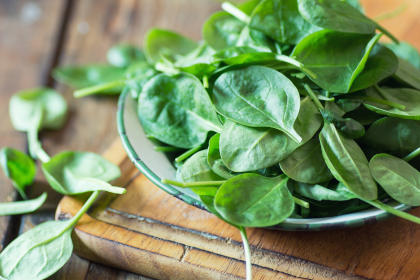
Spinach offers a wide range of benefits for skin health. This leafy green is rich in carotenoids, which are powerful antioxidants that neutralize free radicals and promote overall skin health. It also contains lutein and zeaxanthin, antioxidants that are associated with improved skin hydration, elasticity, and protection against environmental stressors.
This leafy green is versatile and easy to incorporate into your diet. Enjoy it raw in salads or smoothies, or lightly saute it with garlic and olive oil to enhance flavor and nutrient absorption. You can also add it to your soups, stews, omelets, or pasta.
6. Tomatoes
Tomatoes, especially when cooked or processed, are a great source of lycopene, a potent carotenoid antioxidant that helps protect the skin from oxidative damage. In a clinical trial, participants who consumed a tomato extract formulation for 8 weeks experienced significant improvements in their skin hydration and reductions in skin transepidermal water loss, a key indicator of strong skin barrier functions. Participants also showed improvements in overall skin appearance compared to a placebo group. The benefits were attributed to enhanced antioxidant protection, which helps defend skin cells, preserve moisture, and support a healthier-looking complexion.
7. Walnuts
Walnuts are a rich source of plant-based omega-3 fatty acids, especially alpha-linolenic acid (ALA). Clinical research shows that consuming walnuts can significantly improve the body’s omega-3 fatty acid profile. In a dietary intervention study, participants who consumed 56 grams of walnuts daily for 4 weeks experienced significant increases in blood levels of omega-3 fatty acids, including ALA and EPA, along with a reduction in the omega-6 to omega-3 ratio. These changes are associated with lower inflammation and improved cellular membrane health, both of which support healthy skin function. Walnuts are also rich in polyphenols and vitamin E, which are antioxidants that can help neutralize free radicals and protect skin cells from oxidative damage.
8. Chia Seeds
Small but nutrient-dense, chia seeds are rich in omega-3 fatty acids and antioxidants that help support skin hydration and help reduce inflammation. Their high content of ALA, a plant-based omega-3 fat, helps strengthen the skin’s barrier and improve moisture retention. A stronger barrier function allows the skin to stay better hydrated and more resilient against environmental stressors.
In human trials, chia seeds have been shown to significantly reduce inflammatory biomarkers, such as C-reactive protein (CRP), which is associated with skin aging and barrier dysfunction. Additionally, another human trial using chia-derived fats demonstrated improvements in skin hydration and barrier function, illustrating the important role of chia’s essential fatty acids in maintaining skin health.
The antioxidants in chia seeds help neutralize free radicals, protecting collagen and skin cells from damage, which can contribute to dryness and premature aging. Chia seeds are easy to incorporate into your diet. Try adding them to oatmeal, blending them into your smoothies, or sprinkling them over yogurt for a simple, skin-supportive boost.
9. Greek Yogurt
Greek yogurt isn’t just a satiating snack — it is one of the most skin-supportive foods you can eat. Rich in probiotics, Greek yogurt supports a balanced gut microbiome, and research shows that a healthier gut can influence skin health through the gut-skin axis by helping regulate inflammation and supporting immune function. A 2024 review highlights the beneficial effects of probiotics on conditions such as acne, dermatitis, and inflammation. In addition, Greek yogurt contains lactic acid, which helps exfoliate dead skin cells for a fresher, smoother complexion when applied topically.
10. Green Tea
Green tea offers more than just a gentle energy boost; it also provides valuable support for healthy skin. It is rich in antioxidants called polyphenols, particularly epigallocatechin gallate (EGCG), which help protect skin cells from damage caused by environmental stressors such as UV exposure and pollution. These antioxidants help reduce inflammation, a key contributor to redness, irritation, and acne.
Research suggests that green tea compounds help improve acne, calm irritated skin, and reduce redness. They also help protect collagen, which supports skin firmness and smoothness. As a result, regularly consuming green tea, using products containing green tea extract, or topical products may help promote clearer, calmer, and more radiant-looking skin over time.
Our Pharmacy Pre-Sorts and Packages Your Pills
Conclusion
Healthy skin is supported from within. While skincare products can enhance your skin’s surface, the nutrients you eat daily play a fundamental role in your skin’s ability to repair, protect, and renew itself. Diets rich in antioxidants, healthy fats, vitamins, and minerals help strengthen the skin barrier, support collagen production, and reduce inflammation. All these elements are key factors in maintaining a clear and resilient complexion. Even small, consistent dietary changes can lead to meaningful improvements over time. Incorporating a few nutrient-dense, skin-supporting foods into your routine is a simple yet powerful way to promote healthier, more vibrant skin from the inside out.
About the Author

Reviewed by Dr. Tovah Wolf
Tovah Wolf, PhD, MS, RDN, LDN, was born in Massachusetts and raised in East Central North Dakota. She earned a Master’s degree in Nutrition Sciences from the University of Nebraska-Lincoln in 2015, and a PhD in Nutritional Sciences from Iowa State University in 2019. She currently owns her own business and is the Chair Public Policy Lead for the Columbus Ohio Division Academy of Nutrition & Dietetics. The most rewarding part of her job is making a meaningful impact on people’s lives by helping individuals adopt healthier eating habits and guiding companies in developing products that promote wellness. Her areas of expertise include nutritional science and human nutrition, medical nutrition therapy and nutrition counseling, and many others. In her free time, she enjoys gardening and landscaping, baking, exploring new places, and spending quality time with family and friends.
This information is not a substitute for medical advice or treatment. Talk to your doctor or healthcare provider about your medical condition prior to starting any new treatment. MedBox by AmeriPharma assumes no liability whatsoever for the information provided or for any diagnosis or treatment made as a result, nor is it responsible for the reliability of the content. MedBox by AmeriPharma does not operate all the websites/organizations listed here, nor is it responsible for the availability or reliability of their content. These listings do not imply or constitute an endorsement, sponsorship, or recommendation by MedBox by AmeriPharma. This webpage may contain references to brand-name prescription drugs that are trademarks or registered trademarks of pharmaceutical manufacturers not affiliated with MedBox by AmeriPharma.