
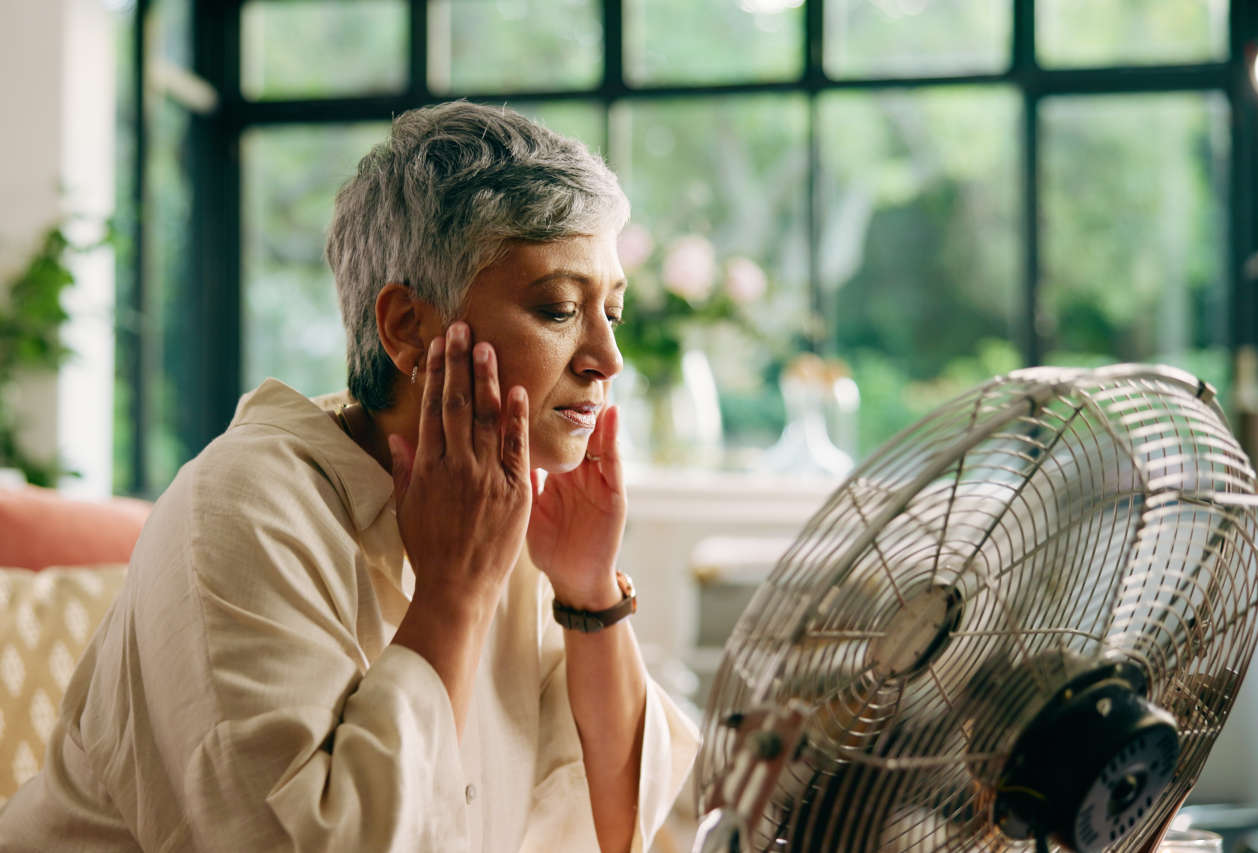
Hot flashes or night sweats affect up to 80 percent of women during the menopausal transition, and these symptoms can persist for years after menopause.
Medbox: no vuelva a ordenar los medicamentos
Fortunately, you don’t have to simply put up with uncomfortable menopause symptoms. Lifestyle adjustments, such as changing your diet, staying physically active, and prioritizing sleep, may help ease some symptoms and improve overall well-being.
While menopause is a natural phase of life, its symptoms don’t have to interfere with your daily routine. If you’re looking for practical ways to manage your symptoms, these lifestyle strategies may help.
7 Lifestyle Changes That Can Make Menopause Easier
From what you eat to how you sleep and stay active, certain lifestyle changes may help you manage menopause symptoms. Here are some simple ways to support your body through menopause:
1. Eat a Balanced, Nutrient-Rich Diet
Your food choices can play a significant role in supporting your body through the hormonal changes that occur during menopause. Build your meals primarily around vegetables, fruits, whole grains, beans, lean proteins, and alimentos ricos en grasas saludables. Limiting highly processed foods that are high in added sugar, sodium, or saturated fat can also help.
What you eat can make a difference in how you feel during menopause. Fiber-rich foods support healthy digestion and can help you feel satisfied between meals, while lean protein sources provide nutrients your body needs to maintain muscle. Staying hydrated is also important, particularly if hot flashes or night sweats leave you sweating more than usual.
2. Exercise Regularly
Regular exercise can also help to support your health in several ways during menopause. A well-rounded routine may include aerobic exercise, entrenamiento de resistencia, and weight-bearing exercises. Cardio-related work like swimming, dancing, and walking are all good choices that can improve heart health. Strength- and weight-bearing exercises are especially important for maintaining bone density, which can decline as estrogen levels decrease.
Regular exercise can also boost your mood, help you maintain a healthy weight, and promote better sleep. But there is no need to jump straight into strenuous workouts to see benefits. Choose activities you enjoy and start at a pace that feels manageable. A daily walk or strength training a few times a week can be a good place to begin, and you can gradually increase the intensity as your fitness improves.
3. Avoid Smoking
Giving up smoking is good for your health regardless of age, but may be particularly important when it comes to reproductive health. Researchers analyzed over 106,000 women and found that current smokers were almost twice as likely to experience early natural menopause as women who had never smoked.
They also found that the risk generally increased with greater exposure. Women with a higher number of pack-years of smoking had a greater risk of early menopause.
Former smokers had a significantly lower risk than current smokers, providing yet another reason to quit. Beyond its potential effects on the timing of menopause, quitting smoking has important benefits for your heart, lung, and bone health, thus making quitting a good idea even post-menopause.
Sus recetas clasificadas y entregadas
4. Stay Cool To Reduce Hot Flashes
When a hot flash hits, finding ways to cool down can help you feel more comfortable. Dress in layers of light fabrics that are easy to remove, and keep a portable fan handy when you’re at home, work, or on the go. At night, breathable bedding, a cooler bedroom, and a bedside fan may help make night sweats less disruptive.
Sipping a cold beverage may also provide some relief. Pay close attention to when your hot flashes occur and whether there are any noticeable patterns. This can help you avoid things that can trigger hot flashes, such as caffeine, spicy foods, and alcohol.
5. Mantener un peso saludable
Gaining weight is common around the time of menopause. Changes in estrogen levels can affect where your body stores fat, while age-related changes in muscle mass, activity, sleep, and metabolism can also contribute to weight gain.
An increase in abdominal fat is associated with greater cardiovascular and metabolic issues. Excess weight may also be associated with more frequent or severe hot flashes in some women.
Rather than focusing solely on the number on the scale, think about habits that support your long-term health. Concentrate on being active most days of the week, eating balanced meals, watching your portion sizes, and cutting down on processed foods.
6. Limit Caffeine and Alcohol
If you’re dealing with hot flashes, it may be worth paying attention to how you feel after drinking caffeine or alcohol. Some women find that these drinks may make symptoms worse.
En a small study of 196 menopausal women, researchers looked at the relationship between caffeine and alcohol consumption, physical activity, and hot flashes. Overall, these lifestyle factors were associated with hot-flash severity, but not frequency. The researchers also found a small association between drinking more caffeinated soda and having more severe hot flashes, although the study did not show that caffeine directly caused the symptoms.
Because hot flash triggers can vary from person to person, try to keep track of when your symptoms occur and what you had to drink beforehand. If you notice that coffee, other caffeinated drinks, or alcohol seem to trigger your symptoms, try to reduce your consumption of these beverages and see if it relieves symptoms. If you simply want to reduce your caffeine intake, caffeine-free options such as peppermint, chamomile, or other herbal teas can be alternatives.
7. Get Enough Calcium and Vitamin D
Bone health becomes especially important during and after menopause. As estrogen levels decline, bone loss accelerates, increasing the risk for osteoporosis. Calcium helps build and maintain strong bones, while vitamin D helps your body absorb calcium.
Aim to meet your calcium and vitamin D needs through food when possible. Good sources of calcium include dairy products, fortified plant milks, leafy greens, and canned fish with bones. Vitamin D is naturally found in fatty fish and is also added to foods such as fortified milk, some cereals, and plant-based beverages.
Your body also makes vitamin D when your skin is exposed to sunlight, but the amount can vary based on your age, skin pigmentation, the season, and sun protection. If you’re concerned that you aren’t getting enough calcium or vitamin D, ask your healthcare provider whether suplementos para la salud ósea might be appropriate for you.
Recetas ordenadas | Pague solo sus copagos
Conclusión
Managing menopause involves making sustainable lifestyle adjustments to support your body as its hormone levels fluctuate.
Eating right, exercising, staying cool, keeping a healthy weight, and avoiding smoking can all help support your health and well-being during menopause.
Lifestyle changes may help with some menopause symptoms, but they aren’t your only option. If your symptoms are interfering with your daily life, talk to your healthcare provider about available treatments and which options may be right for you.
Sobre el autor

Revisado por Dr. Ryo Sanabria
El Dr. Ryo Sanabria, PhD, nació y creció en Nueva York. Obtuvo una licenciatura y un máster en biotecnología en el Hunter College de la CUNY, y un máster, un máster y un doctorado en Nutrición y Ciencias Metabólicas en la Universidad de Columbia. La Dra. Sanabria es catedrática y actualmente imparte clases en la Facultad de Gerontología Leonard Davis de la USC. Sus áreas de especialización incluyen la gerontología, la biología celular, la biología molecular, la genética y la nutrición. Ha recibido numerosos premios y becas y es autora de numerosos trabajos de investigación. La parte más gratificante de su trabajo es la formación y tutoría de nuevos científicos. El Dr. Sanabria es un ávido entusiasta del fitness y, en su tiempo libre, disfruta corriendo maratones y levantando pesas. Los pronombres del Dr. Sanabria son ellos/ellas/ellos.
Esta información no sustituye al consejo o tratamiento médico. Hable con su médico o profesional sanitario sobre su estado de salud antes de iniciar cualquier tratamiento nuevo. MedBox by AmeriPharma no asume responsabilidad alguna por la información proporcionada o por cualquier diagnóstico o tratamiento realizado como resultado, ni es responsable de la fiabilidad del contenido. MedBox by AmeriPharma no opera todos los sitios web/organizaciones aquí listados, ni es responsable de la disponibilidad o fiabilidad de su contenido. Estos listados no implican ni constituyen un respaldo, patrocinio o recomendación por parte de MedBox by AmeriPharma. Esta página web puede contener referencias a medicamentos recetados de marca que son marcas comerciales o marcas comerciales registradas de fabricantes farmacéuticos no afiliados a MedBox by AmeriPharma.