
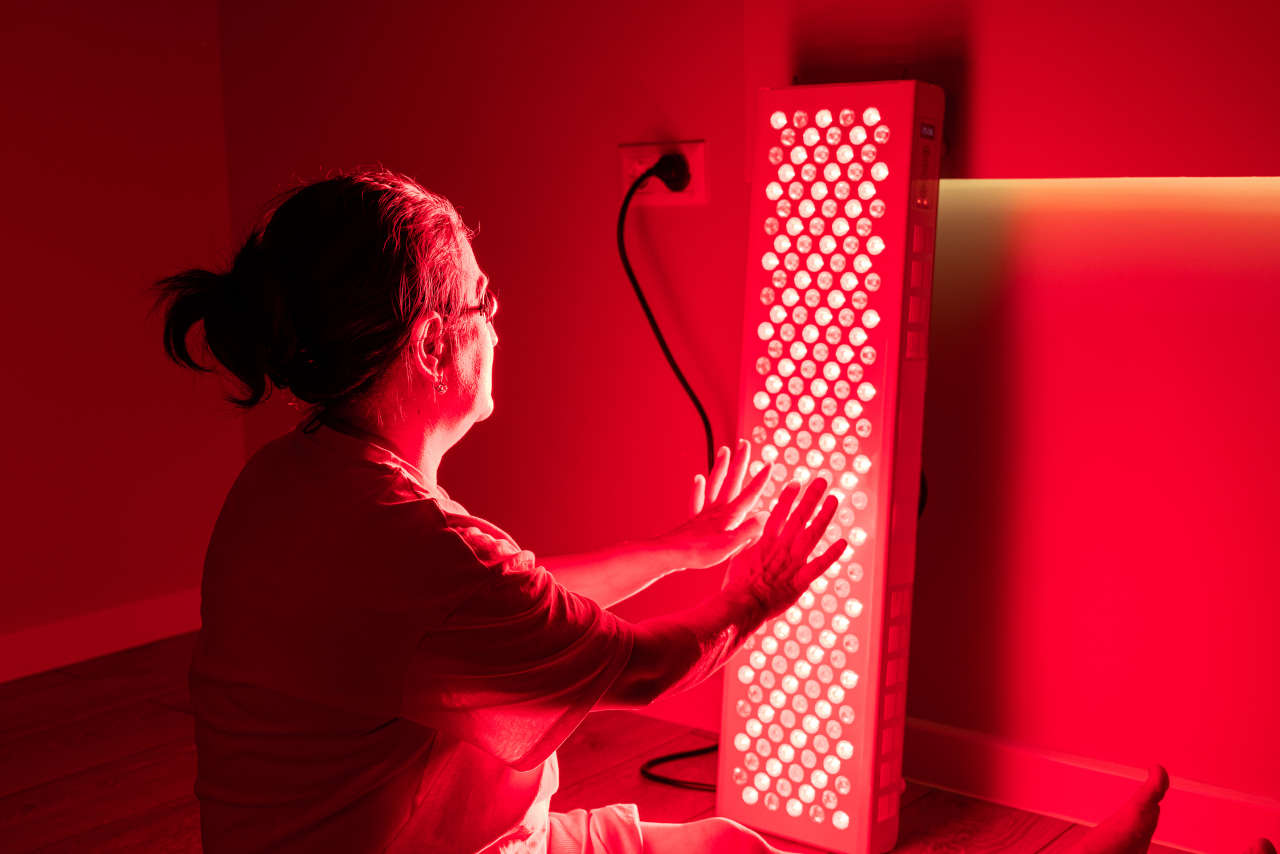
Everyday life requires light, but certain wavelengths are currently being studied for effects beyond illumination. Red-light therapy — also called photobiomodulation or low-level light therapy — is a non-invasive method that is currently gaining popularity for potential health benefits. Red light therapy exposes the body to low-level red and near-infrared wavelengths of light.
Your Prescriptions Sorted and Delivered
Researchers believe that cells can absorb red light in ways that may influence biological processes involved in tissue maintenance and repair. Most of the evidence has focused on skin-related uses such as wrinkles, acne, scars, wound healing, and some inflammatory conditions. While this treatment continues to gain popularity, it is important to note that results are still condition-dependent and not definitive. Many studies are limited by small sample sizes, treatment protocols vary widely, and reported benefits range from mild to non-significant.
Although research findings are promising for several applications, scientists are still working to determine which uses are most effective and who is most likely to benefit.
What Is Red Light Therapy?
Red light therapy is a light-based modality that delivers specific wavelengths of red and near-infrared light delivered through LED devices or low-level laser devices. During treatment, these wavelengths are directed at targeted areas of the body for a prescribed period of time.
This therapy commonly uses a precise, narrow range of wavelengths within the visible red and near-infrared portions of the electromagnetic spectrum. Different wavelengths of light penetrate the skin to different depths and may influence results. Red light therapy is considered non-invasive and non-thermal when used at therapeutic doses. It does not require the use of chemicals, and generally does not disrupt the skin surface.
How Does Red Light Therapy Work?
Red light therapy involves exposing areas of the body to red and near-infrared wavelengths of light. Researchers believe these wavelengths of light can be absorbed by light-sensitive molecules within the cells, such as the mitochondria (the structures that play an important role in producing cellular energy).
Some studies suggest that exposure to red and near-infrared light may increase the production of adenosine triphosphate (ATP), one of the primary molecules used by cells as an energy source. However, scientists are still investigating exactly how these effects occur and how they translate into measurable health benefits.
Researchers are also studying whether red light may influence cell signaling pathways involved in inflammation, tissue maintenance, and repair. This process is sometimes called photobiomodulation, which means using light to modify cell function.
5 Top Benefits of Red Light Therapy
Here’s what research suggests about the benefits of red light therapy:
1. Reduce Signs of Aging
Emerging research suggests that red light therapy may improve certain visible effects of skin aging. A 2023 review of photobiomodulation studies reported improvements in measures of skin elasticity, wrinkle appearance, skin roughness, and pigmentation. Researchers have also proposed that red and near-infrared light may stimulate skin cells to produce collagen, which is important for maintaining skin structure and firmness.
Because collagen levels naturally decline with age, boosting collagen production can help the skin feel firmer, smoother, and younger-looking as you age. However, researchers note that treatment protocols vary across studies, and additional high-quality clinical research is needed to better understand the magnitude and reliability of these benefits.
2. Encourage Hair Regrowth
Research suggests that low-level light therapy, which includes red light therapy, may help improve hair growth in people with patterned hair loss (also called androgenetic alopecia). Several clinical studies reported increases in hair density and thickness following treatment with low-level light devices. While these findings are promising, researchers note that treatment protocols vary and additional studies are needed to determine how red light therapy compares with established treatments, such as minoxidil and finasteride.
Also read: How to prevent hair loss as you age.
3. May Reduce Acne
While acne is often thought to primarily impact teenagers, it can also affect older adults. Research suggests that red light therapy may help reduce inflammation associated with certain types of acne. A 2021 review of light-based acne treatments reported that red light may help reduce inflammation and support the skin’s natural healing, which can reduce acne development.
Red light therapy may also affect the activity of your sebaceous glands and help your skin heal. If you pair this treatment with some of the best foods for healthy skin, you can further improve your overall skin balance.
Medbox: A Safer Way To Take Medication
4. May Support Cognitive Function
Researchers are investigating how red light therapy may support certain aspects of brain health. In one study, individuals with mild to moderate dementia received transcranial and intranasal photobiomodulation treatments over a 12-week period. At the end of the study, researchers reported improvements in several measures of cognitive function, including memory, attention, and daily functioning. Participants and caregivers also reported improvements in sleep quality and some behavioral symptoms. While these findings are encouraging, the study involved a relatively small number of participants and did not establish whether photobiomodulation can prevent, treat, or reverse dementia. Larger, well-controlled clinical trials are needed to determine the long-term effects of red light therapy.
5. May Help Reduce Chronic Pain
Several studies indicate that red light therapy might offer relief from a variety of chronic pain conditions. A 2023 review reported improvements in pain intensity, physical function, and quality of life following treatment for patients with osteoarthritis, fibromyalgia, low back pain, neck pain, and musculoskeletal injuries. Similar to other studies, scientists believe these effects are related to photobiomodulation’s effects on inflammation and tissue repair.
While the evidence for pain relief and certain skin-related applications is growing, the strength of the research varies depending on the condition being studied. Some uses of red light therapy are supported by multiple clinical trials, while others remain experimental and require further investigation.
4 Potential Drawbacks to Consider
Red light therapy also has a few possible downsides:
1. Eye Damage
Although red light therapy is generally considered safe when used according to manufacturer instructions, users should avoid looking directly into high-intensity light sources. Some manufacturers recommend wearing protective eyewear as an added precaution during treatment sessions, especially when treating areas near the eyes.
2. High Costs
Although not a scientific claim, cost is another downside that may prevent some people from trying red light therapy. Visiting a professional for treatments can become pricey over time, as most treatments require multiple sessions.
Investing in at-home devices also comes with a steep initial cost. Quality red light panels, masks, and body wraps range from $100 to over $1,000, depending on size and features. These costs may make red light therapy feel out of reach for seniors experiencing financial hardship.
3. Skin Irritation
Red light therapy is generally well tolerated, but some people may experience temporary skin irritation, redness, or warmth after treatment. More significant reactions are uncommon and are typically associated with excessive exposure or improper device use.
4. Inconsistent Results
Treatment outcomes of red light therapy aren’t always consistent. Outcomes vary widely as researchers, manufacturers, and users all use different devices with varying wavelengths, power levels, and treatment methods. This lack of standardization makes it challenging to determine what’s working, and some people may notice meaningful improvements while others experience little or no benefit.
Pre-sorted Prescriptions | Home Delivery
3 Key Steps Before Starting Red Light Therapy
Red light therapy should not replace medical treatment for chronic health conditions. Seniors who have a medical condition, use photosensitizing medications, have a history of skin cancer, or have concerns about eye health should consult a healthcare professional before beginning treatment.
Here’s what to know before you begin your routine:
1. Consult Your Dermatologist
Speak with your dermatologist before beginning red light treatment. They can help evaluate your skin type, medical history, and desired results before recommending whether treatment is right for you and how to use the device properly.
2. Choose an FDA-Cleared Device
Look for devices that are FDA-cleared or from a well-known manufacturer. Choosing an FDA-cleared device can provide additional confidence that the product has met specific safety and performance standards for its intended use. This can help ensure you are getting an effective and safe device.
3. Follow the Manufacturer’s Usage Instructions
Read the instructions that come with your red light device. The device manufacturer will provide you with instructions on how to use the device correctly. These instructions, which typically include treatment times, distance from skin, and frequency of use, are important for your safety. They’re also important for obtaining steady and reliable results as you continue to use red light therapy.
Conclusion
Researchers continue to investigate red light therapy for applications ranging from skin health and pain management to hair growth and cognitive support. While some studies have shown promising results in several areas, results are still variable and may not be applicable to everyone. Outcomes can vary from person to person.
For many seniors, red light therapy may serve as a useful complement to healthy lifestyle habits and medical care. However, it should not be viewed as a cure-all. Speaking with a healthcare professional and choosing a high-quality device can help you determine whether red light therapy is an appropriate option for your needs.
About the Author

Reviewed by Dr. Ryo Sanabria
Dr. Ryo Sanabria, PhD, was born and raised in New York. They received a B.A. and M.A. in biotechnology from CUNY Hunter College, and an M.A., M.Phil., and PhD in Nutrition and Metabolic Sciences from Columbia University. Dr. Sanabria is a professor who currently teaches at the USC Leonard Davis School of Gerontology. Their areas of expertise include gerontology, cell biology, molecular biology, genetics, and nutrition. They are the recipient of many awards and grants and have authored numerous research papers. The most rewarding part of their work is training and mentoring new scientists. Dr. Sanabria is an avid fitness enthusiast, and in their free time, they enjoy marathon running and weight-lifting. Dr. Sanabria's pronouns are they/them/their.
This information is not a substitute for medical advice or treatment. Talk to your doctor or healthcare provider about your medical condition prior to starting any new treatment. MedBox by AmeriPharma assumes no liability whatsoever for the information provided or for any diagnosis or treatment made as a result, nor is it responsible for the reliability of the content. MedBox by AmeriPharma does not operate all the websites/organizations listed here, nor is it responsible for the availability or reliability of their content. These listings do not imply or constitute an endorsement, sponsorship, or recommendation by MedBox by AmeriPharma. This webpage may contain references to brand-name prescription drugs that are trademarks or registered trademarks of pharmaceutical manufacturers not affiliated with MedBox by AmeriPharma.