
Every 3 seconds, someone in the world develops dementia. More than 55 million people were living with dementia worldwide as of 2020. By 2030, that number is expected to rise to 78 million. While these statistics are concerning, they also highlight an important question: What can you do to support brain health as you age?
Medbox: Simplify Your Prescription Routine
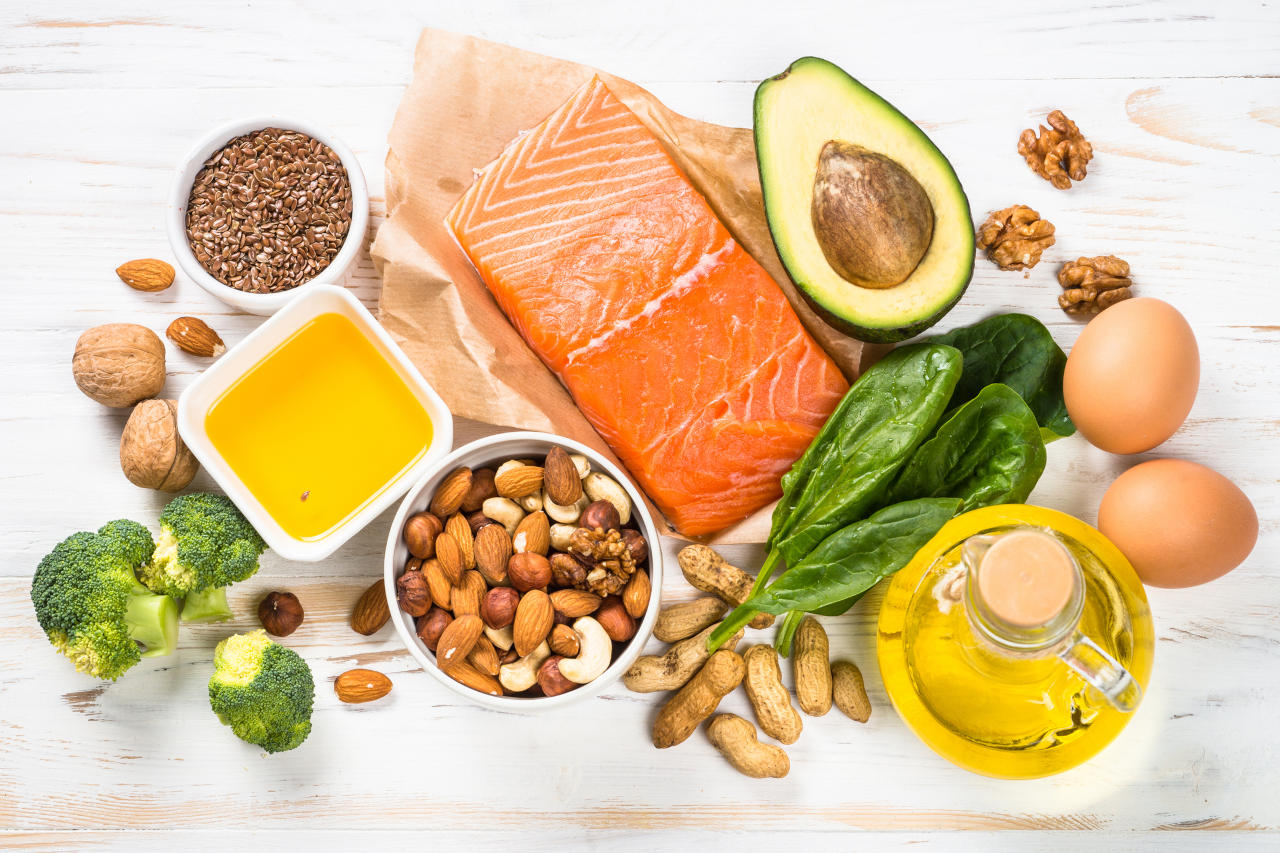
Your diet is a good place to start. A growing body of research suggests that certain foods and dietary patterns may help support cognitive health and healthy brain aging. Nutrient-rich foods such as leafy greens, berries, fish, legumes, and nuts provide vitamins, minerals, healthy fats, fiber, and other beneficial compounds that may play a role in maintaining brain health. In this article, we’ll explore foods that may support brain health and have been linked to better cognitive function.
7 Foods That May Support Brain Health and Lower Dementia Risk
A brain-friendly diet doesn’t have to be challenging to implement. Start by adding more of these nutritious foods to your daily routine:
1. Leafy Green Vegetables
Spinach, kale, lettuce, and other leafy greens can be a part of your brain-healthy diet. They are rich in many vitamins, minerals, fiber, and other beneficial plant compounds that support overall health and may contribute to healthy brain aging.
In a study involving 960 older adults who were dementia-free at baseline, researchers found that those who ate the most green vegetables (2.6 cups uncooked or 1.3 cups cooked) experienced slower cognitive decline compared to those who ate the fewest (1.44 tablespoons/day).
The difference in the rate of cognitive decline between the groups was equivalent to an age difference of about 11 years in cognitive performance. Try to include leafy vegetables as part of your meals often, not just as an occasional side dish. You can add greens to soups, stews, salads, smoothies, or many other meals you make daily.
2. Berries
Blueberries, raspberries, blackberries, and strawberries are also excellent additions to a brain-healthy diet. Naturally sweet and rich in beneficial plant compounds, berries can also be a nutrient-dense alternative to desserts and snacks high in added sugar. In one randomized, double-blind, placebo-controlled study, researchers examined the effects of daily blueberry supplementation on overweight adults ages 50 to 65 who had reported cognitive decline and were at risk for dementia. After 12 weeks, participants who received the blueberry supplementation intervention showed improvements in certain measures of cognitive function, including lexical access and memory interference, compared with the placebo group.
While more research is needed to understand how berries may influence long-term cognitive health, these findings add to the evidence suggesting that berries may be a beneficial component of a brain-healthy eating pattern.
3. Fatty Fish
Adding fatty fish like salmon, sardines, mackerel, tuna, and herring to your diet can be a nutritious food choice as you age. These fish provide high-quality protein, omega-3 fatty acids, and other essential nutrients that support overall health and brain function.
A 2024 systematic review and dose-response meta-analysis of 35 observational studies found that people with the highest fish consumption had a lower likelihood of cognitive impairment, cognitive decline, dementia, and Alzheimer’s disease compared with those who consumed the least fish. The researchers found that higher fish intake was associated with an 18% lower likelihood of dementia and a 20% lower likelihood of Alzheimer’s disease. However, because the evidence was based on observational studies, these findings cannot establish that eating fish directly prevents dementia.
You can prepare fatty fish by grilling, baking, steaming, or adding them to salads. When choosing fish, consider varieties rich in omega-3 fatty acids, such as salmon, sardines, trout, mackerel, and herring.
4. Nuts
Nuts like almonds, walnuts, cashews, pistachios, and peanuts can be a nutritious addition to a brain-healthy eating pattern. They provide a combination of healthy fats, protein, fiber, vitamins, minerals, and other beneficial nutrients, making them a satisfying snack between meals.
A recent study investigating nut intake and dementia risk found that regular nut consumption was associated with a 12% lower risk of all-cause dementia compared with little or no nut consumption. If you’re mindful of your salt intake, choose plain or unsalted nuts. Because nuts are calorie-dense, portion size is worth keeping in mind.
5. Olive Oil

Olive oil can be a nutritious alternative to cooking fats that are higher in saturated fat. You can use it for cooking or to make salad dressings, marinades, and sauces. You can even drizzle it over veggies or other meals.
In one study, people who consumed more than 7 grams of olive oil daily had a lower risk of dying from dementia than those who rarely or never consumed it. However, because this is an observational study, the findings show an association rather than proving that olive oil directly reduces the risk of dementia or dementia-related death.
Extra-virgin olive oil is less processed than refined olive oil and retains more of its naturally occurring beneficial plant compounds. You can also use it in place of butter and other fats in many recipes without drastically changing your meal. While olive oil is rich in heart-healthy unsaturated fats, it is still calorie-dense, so keep portion size in mind.
6. Tomatoes
Tomatoes are rich in lycopene, a carotenoid with antioxidant properties. Researchers have investigated lycopene for its potential role in protecting cells from oxidative stress, which can contribute to cellular aging implicated in neurodegenerative diseases. However, more research is needed to determine whether eating tomatoes or consuming more lycopene directly influences dementia risk.
Recently, a 2026 randomized crossover trial examined the effects of concentrated tomato paste in 47 healthy adults aged 40 to 55. Participants consumed tomato paste daily for 3 months and experienced improvements in measures of selective attention and associative memory compared with a lycopene-restricted control diet. While encouraging, the study was relatively small, involved healthy middle-aged adults, and assessed cognitive performance rather than dementia risk.
Tomatoes also provide several vitamins and other beneficial plant compounds. They add flavor, color, and moisture to meals without relying heavily on salt, sugar, or rich sauces. Fresh tomatoes are a great option, but canned tomatoes can be a convenient choice for soups, sauces, and other cooked dishes. When purchasing canned varieties, check the nutrition label for little or no added sodium.
Pre-sorted Prescriptions | Home Delivery
7. Avocado
Avocados can be a nutritious addition to a brain-healthy eating pattern. They are a good source of monounsaturated fats, fiber, folate, vitamin E, potassium, and carotenoids such as lutein. These nutrients and plant compounds may support cardiovascular and overall health, which are important components of healthy aging.
Some research has linked avocado consumption to cognitive health. In an observational study of 2,886 U.S. adults aged 60 and older, people who reported eating avocado or guacamole had better scores on measures of memory and overall cognition than non-avocado consumers, even after adjusting for several potential confounding factors. However, because this was a cross-sectional study, it cannot establish that avocado consumption caused differences in cognitive performance.
A 2026 randomized controlled trial assigned 251 adults with elevated waist circumference to eat one avocado daily or avoid avocados for 6 months. The researchers found no significant differences between groups in memory, processing speed, executive function, or other measures of cognitive performance.
Rather than relying on any single food for brain health, think of avocados as one component of an overall eating pattern that emphasizes vegetables, fruits, whole grains, legumes, nuts, seeds, and other sources of healthy fats. Try adding avocado to salads, toast, grain bowls, or sandwiches for a flavorful source of unsaturated fat and fiber.
Your Overall Diet Matters, Too
Research on brain health increasingly focuses on overall eating patterns rather than individual foods. Eating patterns such as the Mediterranean and MIND diets emphasize many of the foods discussed in this article, including vegetables, berries, nuts, whole grains, fish, and olive oil. Observational research has linked greater adherence to these dietary patterns with better cognitive health and lower risk of dementia, although more research is needed to establish cause and effect.
The World Health Organization’s 2026 guidelines also recommend a healthy, balanced dietary pattern for adults with normal cognition or mild cognitive impairment as part of an approach to reducing the risk of cognitive decline and dementia.
Rather than focusing on a single “brain food,” aim to build a varied eating pattern that provides a wide range of nutrients and plant compounds over time. What you eat consistently as part of your overall diet may matter more than any one food you occasionally add to your plate.
Conclusion
No single food can prevent dementia, and diet is only one factor that may influence cognitive health as you age. However, building an overall eating pattern centered on vegetables, fruits, whole grains, nuts, fish, legumes, and sources of unsaturated fat can support both brain and cardiovascular health.
Think of the foods in this article as pieces of a larger puzzle rather than individual solutions. Choosing a variety of nutrient-dense foods, limiting foods high in saturated fat, added sugars, and sodium, and maintaining a balanced diet can help support healthy aging.
Ultimately, there is no need to search for a single superfood for your brain. A diverse, balanced eating pattern you can maintain long-term is a more practical, evidence-based approach to supporting brain health.
About the Author

Reviewed by Dr. Tovah Wolf
Tovah Wolf, PhD, MS, RDN, LDN, was born in Massachusetts and raised in East Central North Dakota. She earned a Master’s degree in Nutrition Sciences from the University of Nebraska-Lincoln in 2015, and a PhD in Nutritional Sciences from Iowa State University in 2019. She currently owns her own business and is the Chair Public Policy Lead for the Columbus Ohio Division Academy of Nutrition & Dietetics. The most rewarding part of her job is making a meaningful impact on people’s lives by helping individuals adopt healthier eating habits and guiding companies in developing products that promote wellness. Her areas of expertise include nutritional science and human nutrition, medical nutrition therapy and nutrition counseling, and many others. In her free time, she enjoys gardening and landscaping, baking, exploring new places, and spending quality time with family and friends.
This information is not a substitute for medical advice or treatment. Talk to your doctor or healthcare provider about your medical condition prior to starting any new treatment. MedBox by AmeriPharma assumes no liability whatsoever for the information provided or for any diagnosis or treatment made as a result, nor is it responsible for the reliability of the content. MedBox by AmeriPharma does not operate all the websites/organizations listed here, nor is it responsible for the availability or reliability of their content. These listings do not imply or constitute an endorsement, sponsorship, or recommendation by MedBox by AmeriPharma. This webpage may contain references to brand-name prescription drugs that are trademarks or registered trademarks of pharmaceutical manufacturers not affiliated with MedBox by AmeriPharma.