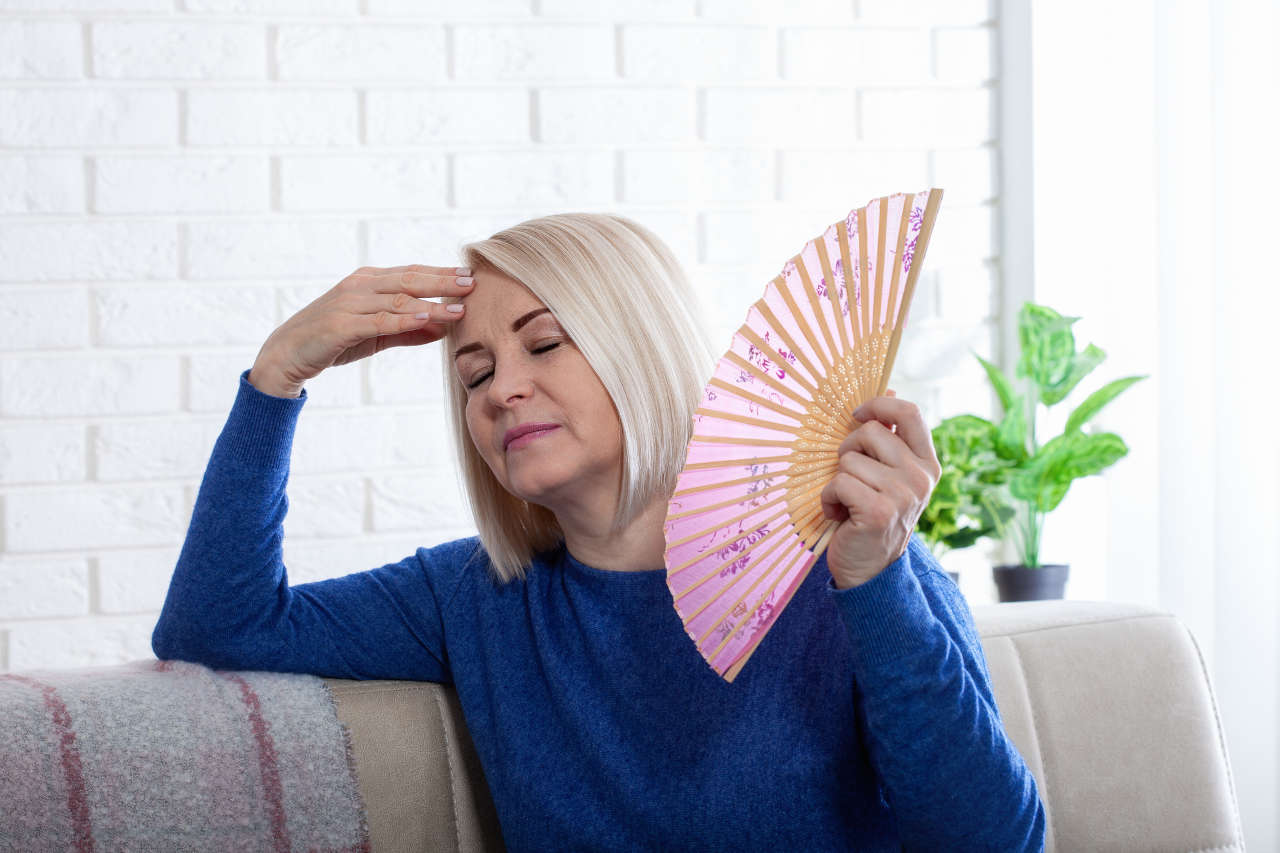
As many as eight out of every ten women experience hot flashes during menopause. Hot flashes cause intense heat, often accompanied by sweating, flushed skin, and discomfort. They can occur unexpectedly or wake you up at night.
Medbox: Simplify Your Prescription Routine
So what causes hot flashes? Hot flashes happen because falling estrogen levels make the brain’s “thermostat” (in the hypothalamus) extra sensitive, so it mistakenly thinks your body is overheating even when it isn’t. In response, your body rushes to cool itself by widening blood vessels near the skin and triggering sweating, which causes that sudden wave of heat and flushing.
Making small adjustments to your routine and surroundings may help you feel more comfortable when a hot flash strikes. Simple changes, such as choosing breathable fabrics and keeping your surroundings cool, may help you manage symptoms.
Read on for eight practical tips for natural menopause hot flash relief.
Natural Ways To Manage Menopause Hot Flashes
You don’t always need complicated solutions to manage hot flashes. Start with these practical lifestyle changes:
1. Dress in Lightweight, Breathable Layers
When a hot flash hits, wearing loose clothes can make a big difference in how comfortable you feel. Dress in layers, and choose breathable materials like cotton or linen. This allows you to shed layers when you overheat and add them back once you cool down.
Skip tight-fitting clothes or anything made from thick, heavy fabric, especially if you tend to get overheated easily. You might also want to keep a clean shirt handy for days when you’re sweating more than usual.
Notice how different fabrics feel when you’re having a hot flash. Some may leave you feeling hot and sticky, while others may feel more comfortable throughout the day.
2. Keep Your Bedroom Cool at Night
Warm nights can make night sweats more uncomfortable and make it difficult to get good sleep. Keep your bedroom cool and well-ventilated by opening the windows when the weather permits or simply turning on a fan.
Choose lightweight bedding that you can strip off easily when you feel too hot. Cotton sheets tend to be more comfortable than those made from heavier, heat-trapping materials.
Wear loose pajamas and keep a spare set nearby in case you sweat through them. If you’re using air conditioning, avoid setting it to an extremely cold temperature. Keep a cold bottle of water by your bedside as well. These fixes may not stop night sweats, but they could help you fall back asleep more quickly.
3. Drink Plenty of Water
One of the best tips for dealing with menopause is to drink water throughout the day. Keep a water bottle nearby so you can take a drink whenever you’re thirsty. A cool drink of water can offer some relief when you feel a hot flash coming on. Staying hydrated ensures that you replenish fluids when you’re sweating heavily.
Try not to rely on sugary drinks for hydration. Instead, choose fruits and vegetables with high water content, such as cucumbers, watermelon, and oranges. Drinking water may not stop your hot flashes, but it will help your body function properly.
4. Choose Cooling Foods and Meals

Some research suggests that dietary patterns may influence the frequency and intensity of hot flashes. One study found that women following a low-fat vegan diet that included 1/2 cup of cooked soybeans per day experienced 88% fewer moderate-to-severe hot flashes after 12 weeks.
You don’t have to overhaul your diet. Adding more fruits, vegetables, beans, and whole grains to your usual meals is a good place to start. You could also try soy foods like tofu, tempeh, or edamame. These foods provide nutrients that are important for your health during menopause.
5. Identify Triggers
Common triggers include spicy foods, caffeine, alcohol, hot beverages, and stress. Slow, deep belly breathing at the first sign of a hot flash can reduce its intensity for some women. Yoga, meditation, and gentle stretching can also lower stress, which is a common trigger. Keeping a simple symptom diary for a few weeks can help you spot patterns and reduce what sets off your hot flashes.
6. Limit Caffeine and Alcohol
You might consider cutting back on your morning coffee or regular glasses of wine if you notice a link to your hot flashes. A study involving 196 menopausal women found that there was a correlation between caffeine and alcohol consumption and the severity of their hot flashes.
The researchers also found a correlation between drinking caffeinated soda and the frequency and severity of hot flashes. You don’t have to cut out these drinks altogether. Just keep a note of when you drink coffee, tea, caffeinated soda, or alcohol, and if you continue to have hot flashes, try reducing your intake and drinking more water.
Our Pharmacy Sorts and Packages Your Pills
7. Use a Fan or Cooling Products
A cool breeze can help you feel more comfortable during hot flashes. Have a fan near your bed, desk, or any other place you sit often. When you start to feel hot, turn on the fan to cool down. If you have a portable fan, it can also help when you’re out of the house. You could also try a cool, damp cloth on your neck or forehead.
Try switching to a lighter blanket or sleeping without one if you’re too warm. This makes it easier to cool down when a hot flash hits. While these changes won’t prevent hot flashes, they can make the heat more bearable. See which cooling methods give you the most relief.
8. Stay Active and Maintain a Healthy Weight
Your body weight might be linked to how often you experience hot flashes. A meta-analysis of seven studies involving 4,219 women found that obesity was associated with a higher likelihood of experiencing hot flashes, with an odds ratio of 1.79.
If you’re concerned about your weight or how it may be affecting your symptoms, talk to your healthcare provider about whether gradual weight loss may be appropriate for you. Adopting a healthy diet and exercising regularly can help you begin to lose weight gradually. Avoid crash diets or overly restrictive eating plans. Be patient with yourself and make sure your food choices give you all the nutrients you need.
Talk to Your Doctor About Treatment Options
If hot flashes are affecting your daily life, ask about medical options. These include hormone therapy, certain non-hormonal prescription medications, and newer non-hormonal treatments. Your doctor can help weigh the benefits and risks based on your health history.
Conclusion
Hot flashes can be uncomfortable, but small changes to your meals, clothing choices, bedroom environment, and daily routines may make them easier to manage. Learn what triggers them and develop habits that may help you feel more comfortable. Talk to your doctor if hot flashes are interrupting your day-to-day life or if lifestyle changes aren’t providing enough relief.
About the Author

Reviewed by Dr. Kurt Hong
Dr. Kurt Hong, M.D., PhD., was raised in Los Angeles, CA. He received his M.D. degree from Harvard Medical School in 1999 and a Ph.D in Cellular and Molecular Pathology from UCLA in 2008. Dr. Hong is a professor who currently teaches at the USC School of Gerontology and the USC Keck School of Medicine, and has received multiple teaching awards. The most rewarding part of his job is providing meaningful care that has a direct impact on patients' lives. His areas of expertise include gerontology, clinical nutrition, geriatrics, integrative health, and precision medicine. Dr. Hong's current areas of research interest include studying nutrition and metabolic factors that contribute to age-related diseases and conditions. In his free time, Dr. Hong enjoys running, hiking, traveling, and cooking.
This information is not a substitute for medical advice or treatment. Talk to your doctor or healthcare provider about your medical condition prior to starting any new treatment. MedBox by AmeriPharma assumes no liability whatsoever for the information provided or for any diagnosis or treatment made as a result, nor is it responsible for the reliability of the content. MedBox by AmeriPharma does not operate all the websites/organizations listed here, nor is it responsible for the availability or reliability of their content. These listings do not imply or constitute an endorsement, sponsorship, or recommendation by MedBox by AmeriPharma. This webpage may contain references to brand-name prescription drugs that are trademarks or registered trademarks of pharmaceutical manufacturers not affiliated with MedBox by AmeriPharma.