

You may not realize it, but what you eat can have a powerful influence on your memory, mood, and overall mental function. As we get older, it is especially important to feed our brains the right nutrients to keep us focused, sharp, and calm. If you are missing certain key vitamins, minerals, or healthy fats in your diet, you may experience brain fog, irritability, or forgetfulness, even if you have been diligent about other areas of your health.
Medbox: A Safer Way To Take Medication
Fortunately, the best brain-boosting and mood-stabilizing foods are also some of the most common, everyday foods. Foods like fresh vegetables, fish, and whole grains are delicious choices that can support long-term mental wellness and improve your neuroplasticity.
Read on to learn more about some of the best foods for mental health.
8 Best Foods To Boost Your Mental Health
These foods may help support mood and cognitive health:
1. Fatty Fish
Salmon and sardines contain omega‑3 fatty acids (EPA and DHA), which integrate into neuron cell membranes to perform anti-inflammatory functions and facilitate neurotransmitter interactions. In older adults, this promotes memory maintenance and may slow cognitive decline by enhancing blood flow and neuronal signaling.
Studies show that long-chain omega-3 fatty acids affect numerous aspects of neural function. They are among the most researched nutrients for brain health and aging. Support for an impact on brain health varies with the condition in question, but there is consistent evidence that fish consumption is associated with improved mental resilience in later life. It is easiest to get omega-3 fatty acids from marine sources, such as seafood. If you do not eat about 8 ounces of seafood per week, you may want to consider a supplement.
2. Blueberries
Blueberries are high in flavonoids, such as anthocyanins, which can cross the blood-brain barrier. Anthocyanins are potent antioxidants in the brain and may lower oxidative stress and modulate signaling pathways involved in memory and learning in older adults, protecting against age-related cognitive decline.
In a short-term study, blueberry supplements improved mood and cognition slightly more than the control group, suggesting they could enhance psychological well-being by reducing inflammation. Additionally, a review study of randomized controlled trials suggests that older adults with mild cognitive impairment who frequently consume blueberries may have improved episodic memory.
3. Leafy Greens
Leafy greens, such as spinach, kale, and collards, are rich in folate, vitamin K, nitrate, and lutein. The nutrients have been shown to decrease the rate of cognitive decline in elderly adults. In a prospective study of people aged 58–99, greater consumption of leafy greens was associated with a slower rate of cognitive decline.
These nutrients help maintain the health of brain cells and blood vessels, both of which are important for brain function.
Further Reading: Health Benefits of Spinach You Should Know About.
4. Walnuts
Walnuts contain beneficial plant-based omega-3 fatty acids and antioxidant polyphenols, which help protect brain health. In older adults, omega-3 fatty acids and polyphenols may help support memory and mood by reducing oxidative stress and promoting healthy brain cells.
In a scientific study, daily walnut consumption was associated with a better stress response and a more stable mood. This study suggests that walnuts could be beneficial for slowing down age-related cognitive decline.
Our Pharmacy Pre-Sorts and Packages Your Pills
5. Dark Chocolate
Dark chocolate, particularly varieties with high cocoa content, is rich in flavonoids that can support blood flow and provide antioxidant protection. In older adults, improved circulation and reduced oxidative stress may help protect brain cells and support mental clarity.
Cocoa flavanols have also been shown to influence neurotransmitters involved in mood and stress regulation. Some clinical studies show that cocoa flavanols (abundant in dark chocolate) may modestly improve cognitive performance and reduce inflammation. When consumed in moderation and chosen from lower-lead varieties, dark chocolate can be an enjoyable addition to a brain-supportive eating plan. However, results from the large COSMOS trial found that supplementation with cocoa flavanols did not significantly improve cognitive outcomes compared with placebo, highlighting the need for further study and suggesting that whole-food sources may be more beneficial than supplements alone.
6. Avocados
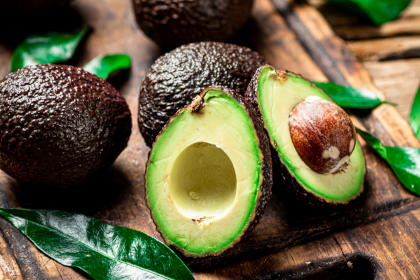
Avocados are a rich source of monounsaturated fats, fiber, and carotenoids such as lutein. Each of these nutrients supports brain function, making them especially important for maintaining cell membrane structure and antioxidant systems in older adults.
Avocado intake is positively associated with attention and cognitive processing in older adults. It is high in healthy fats. Healthy fats play a critical role in brain function, and avocados offer an easy, whole-food way to include them in your diet. A review study suggests that consuming avocados daily can improve cardiovascular health, body composition, cognitive function, and microbiota health.
7. Eggs
Eggs are a rich source of choline, a nutrient that serves as a precursor to the neurotransmitter acetylcholine, which plays a key role in memory and mood regulation. In older individuals, adequate dietary choline is important for efficient communication between neurons and may help slow age-related cognitive decline. Since choline is involved in the formation of cell membranes and the synthesis of neurotransmitters, a regular intake of eggs may help support learning and memory.
In a meta-analysis, supplementation with 3 eggs per week was found to decrease depressive symptoms in older adults. While these findings are promising, additional research is needed to clarify the effects of choline supplementation beyond whole sources on long-term brain health.
8. Turmeric
Turmeric, which has been researched for its effects on the brain, contains a bioactive compound called curcumin. Curcumin is suggested to have anti‑inflammatory and antioxidant effects on the brain, as well as the potential to alter the gut‑brain axis and various inflammatory mediators.
Curcumin may also help support neural health among older adults. A scientific review suggests that curcumin can modulate the gut microbiome and decrease systemic inflammation, which may both play a role in the development of age‑related neural dysfunction and mood disorders. Further research is needed on dosing, duration, and curcumin’s impact on brain health and mental disorders.
Your Prescriptions Sorted and Delivered
Conclusion
Balanced nutrition and healthy lifestyle habits work together to support long-term mental health. Eating a nutrient-dense diet rich in whole foods can help maintain memory, focus, and mood — especially as we age. While no single food is a cure-all, small, consistent improvements in eating patterns can have meaningful benefits over time. By prioritizing foods that nourish the brain, you provide yourself with essential building blocks needed to support cognition, resilience, emotional balance, and overall mental well-being for years to come.
About the Author

Reviewed by Dr. Tovah Wolf
Tovah Wolf, PhD, MS, RDN, LDN, was born in Massachusetts and raised in East Central North Dakota. She earned a Master’s degree in Nutrition Sciences from the University of Nebraska-Lincoln in 2015, and a PhD in Nutritional Sciences from Iowa State University in 2019. She currently owns her own business and is the Chair Public Policy Lead for the Columbus Ohio Division Academy of Nutrition & Dietetics. The most rewarding part of her job is making a meaningful impact on people’s lives by helping individuals adopt healthier eating habits and guiding companies in developing products that promote wellness. Her areas of expertise include nutritional science and human nutrition, medical nutrition therapy and nutrition counseling, and many others. In her free time, she enjoys gardening and landscaping, baking, exploring new places, and spending quality time with family and friends.
This information is not a substitute for medical advice or treatment. Talk to your doctor or healthcare provider about your medical condition prior to starting any new treatment. MedBox by AmeriPharma assumes no liability whatsoever for the information provided or for any diagnosis or treatment made as a result, nor is it responsible for the reliability of the content. MedBox by AmeriPharma does not operate all the websites/organizations listed here, nor is it responsible for the availability or reliability of their content. These listings do not imply or constitute an endorsement, sponsorship, or recommendation by MedBox by AmeriPharma. This webpage may contain references to brand-name prescription drugs that are trademarks or registered trademarks of pharmaceutical manufacturers not affiliated with MedBox by AmeriPharma.

 English
  Spanish
  Chinese
  Vietnamese