
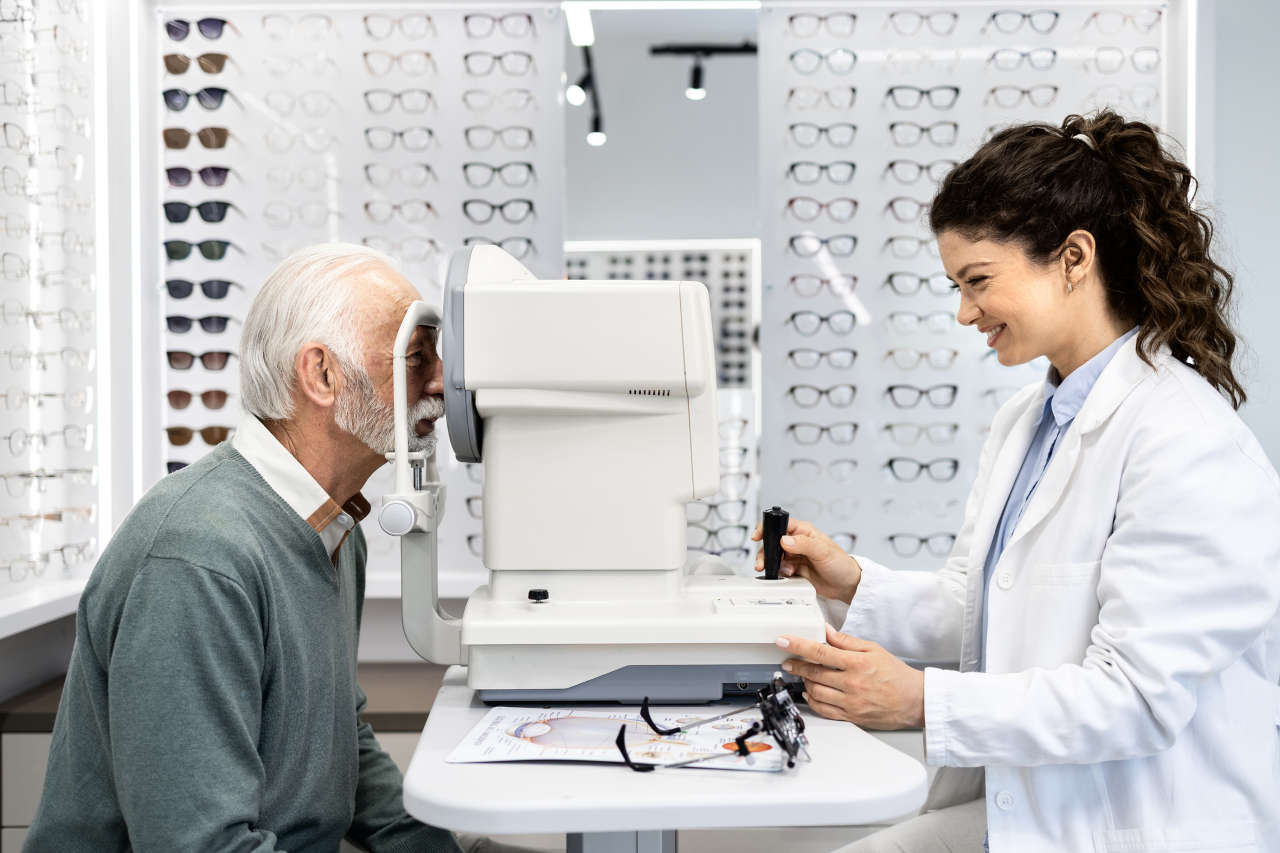
Vision loss can significantly impact independence, quality of life, and overall well-being. While the risk of certain eye diseases increases with age, vision loss is not an inevitable part of getting older. In fact, many common eye conditions can be prevented, slowed, or successfully treated when detected early. Some examples include age-related macular degeneration, cataracts, glaucoma, and retinopathy (particularly due to diabetes).
Your Prescriptions Sorted and Delivered
Fortunately, regular eye exams and healthy lifestyle habits can go a long way toward protecting your vision. Read on to learn practical ways to maintain healthy eyes and reduce your risk of vision loss.
Eye Care Tips To Prevent Vision Loss
Here are practical steps for better eye health:
1. Get Regular Dilated Eye Exams
Sure, your vision may seem perfect, but scheduling an annual comprehensive dilated eye exam is the only way to know for certain. At these appointments, your optometrist will place drops in your eyes to dilate your pupils (this takes about 15-20 minutes to take effect). This allows them to examine the back of your eye for signs of disease and other abnormalities.
Vision exams are one of the essential health screenings for seniors. Dilation specifically matters since it is the only way to see the whole retina. These exams can help detect early signs of conditions such as glaucoma, age-related macular degeneration, and diabetic retinopathy before noticeable symptoms develop. Keeping your vision safe hinges on catching problems early, so be sure to prioritize these visits.
2. Know Your Family Eye Health History
You should have a conversation with your family about health history, but specifically eye health. Over 350 eye diseases are linked to genetics, passed down through your family line.
If you have a history of glaucoma, macular degeneration, or extreme nearsightedness in your family, your risk may be significantly higher.
Nevertheless, this knowledge gives you a head start. Sharing this information with your eye doctor can help them recommend screening schedules and preventive strategies tailored to your risk factors.
3. Eat Eye-Healthy Foods
It’s amazing how the food you eat can impact your overall eye health. Filling your diet with dark leafy greens such as spinach, kale, and collard greens will boost your intake of lutein and zeaxanthin. These antioxidants help support retinal health and may reduce the risk of age-related eye diseases (particularly macular degeneration).
Adding fatty fish like salmon, tuna, or mackerel to your meals a few times each week is a great way to get plenty of omega-3 fatty acids. These healthy fats help prevent dry eye syndrome, and they also promote cellular health throughout your eyes. Lastly, foods rich in vitamin C and E, as well as zinc, have also been shown to help protect the retina and lens.
4. Maintain a Healthy Weight
You might assume discussions about extra weight are solely about heart health, but it actually plays a role in your vision over the long haul, too.
Research has found that being overweight is highly correlated with metabolic diseases such as type 2 diabetes and high blood pressure, two leading causes of vision loss.
These diseases injure the small, delicate blood vessels in your retina, which can lead to diabetic retinopathy and cause pressure on the eyes that leads to glaucoma. When you exercise and maintain a healthy weight, you’re protecting your body’s intricate vascular system and your valuable vision.
5. Wear Protective Eyewear During Activities

You don’t realize how delicate your eyes are until something suddenly and painfully bursts into your face. High-risk sports, operating loud power saws, or even cutting the grass can send foreign objects into your eye at high speeds.
Wearing safety goggles or wrap-around protective eyewear may seem inconvenient, but it creates a barrier that helps protect your eyes from flying debris, tree limbs, and harmful chemicals.
6. Avoid or Quit Smoking
Smoking isn’t only detrimental to your lungs and heart. It’s bad for your eyes, too. Tobacco use significantly increases the risk of age-related macular degeneration, cataracts, and optic nerve damage that can lead to vision loss.
Smoking constricts blood vessels and damages the ones that supply blood to your eyes. The good news is that as soon as you quit, your body starts to repair itself. The risk continues to drop the longer you stay cigarette-free, making smoking cessation one of the best steps you can take for your long-term eye health.
Quitting outright might seem difficult, but you’ll find it easier to do so when you have a support system and avoid your smoking triggers.
Medbox: Simplify Your Prescription Routine
7. Wear UV-Blocking Sunglasses
Sunglasses do more than improve comfort on bright days — they also play an important role in protecting your long-term eye health. Over time, exposure to the sun’s ultraviolet (UV) rays can damage your eyes, increasing your risk of cataracts (the strongest established link), age-related macular degeneration, and cancers of the conjunctiva and eyelid.
Make sure you get a solid pair of sunglasses that block 99% to 100% of UV rays. Wear them anytime you’re outdoors, even when it’s cloudy, to keep your eyes safe from invisible, harmful ultraviolet (UV) radiation.
8. Manage and Limit Daily Screen Time
We can’t avoid screens in today’s digital world, but staring at them all day is a sure-fire way to exhaust your eyes. When you are constantly focusing on something at eye level, the small muscles in your eyes become strained and can feel stuck, dry, and irritated. Extended screen use may contribute to eye strain, discomfort, and headaches.
To reduce digital eye strain, follow the 20-20-20 rule: Every 20 minutes, look at something at least 20 feet away for 20 seconds. Remember to blink regularly, adjust screen brightness to a comfortable level, and take periodic breaks throughout the day. Limiting recreational screen time and avoiding screens for at least an hour before bedtime may also improve sleep quality and reduce eye fatigue.
9. Control Blood Pressure and Manage Blood Sugar
Blood pressure and blood sugar control matter more than most people realize; hypertension and diabetes are two of the biggest drivers of preventable vision loss in older adults, and they act silently on the retina for years before symptoms appear. Uncontrolled blood pressure can damage the eye’s blood vessels. Diabetic retinopathy is directly driven by chronically high, poorly controlled blood sugar.
Conclusion
Vision loss often develops gradually, making prevention and early detection especially important. While some risk factors cannot be changed, many of the most common causes of vision loss are influenced by everyday habits and healthcare decisions.
Protecting your vision starts with small, consistent actions. Schedule regular comprehensive eye exams, maintain a healthy lifestyle, manage chronic conditions such as diabetes and high blood pressure, and protect your eyes from injury and UV exposure. By taking these steps today, you can help preserve your eyesight and support lifelong eye health.
About the Author

Reviewed by Dr. Kurt Hong
Dr. Kurt Hong, M.D., PhD., was raised in Los Angeles, CA. He received his M.D. degree from Harvard Medical School in 1999 and a Ph.D in Cellular and Molecular Pathology from UCLA in 2008. Dr. Hong is a professor who currently teaches at the USC School of Gerontology and the USC Keck School of Medicine, and has received multiple teaching awards. The most rewarding part of his job is providing meaningful care that has a direct impact on patients' lives. His areas of expertise include gerontology, clinical nutrition, geriatrics, integrative health, and precision medicine. Dr. Hong's current areas of research interest include studying nutrition and metabolic factors that contribute to age-related diseases and conditions. In his free time, Dr. Hong enjoys running, hiking, traveling, and cooking.
This information is not a substitute for medical advice or treatment. Talk to your doctor or healthcare provider about your medical condition prior to starting any new treatment. MedBox by AmeriPharma assumes no liability whatsoever for the information provided or for any diagnosis or treatment made as a result, nor is it responsible for the reliability of the content. MedBox by AmeriPharma does not operate all the websites/organizations listed here, nor is it responsible for the availability or reliability of their content. These listings do not imply or constitute an endorsement, sponsorship, or recommendation by MedBox by AmeriPharma. This webpage may contain references to brand-name prescription drugs that are trademarks or registered trademarks of pharmaceutical manufacturers not affiliated with MedBox by AmeriPharma.