
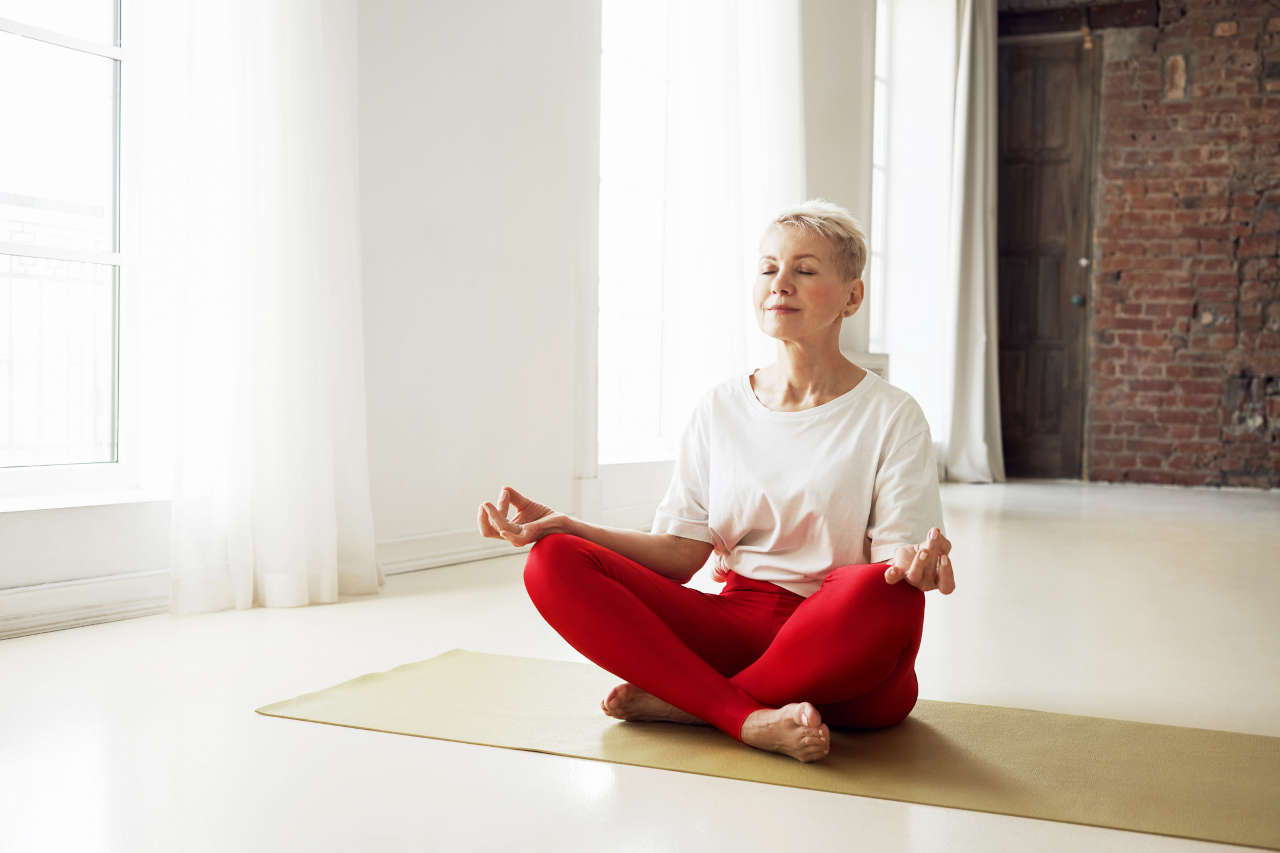
As we age, finding ways to stay calm, focused, and physically resilient becomes more important than ever. Meditation provides a simple and accessible tool to support both the mind and body.
Medbox: Never Sort Medications Again
Studies reveal that meditation offers many benefits for seniors. It can help lower stress levels, and several studies even suggest that there are possible improvements to memory, reduced blood pressure, and even a reduction in chronic pain. Best of all, unlike structured exercise programs or restrictive diets, meditation is simple to adopt and does not require special equipment or significant time commitments. Just a few minutes a day can create lasting, positive effects. Find out how this low-impact practice supports both the mind and body.
Ways Seniors Benefit from Meditation
Here are eight powerful ways meditation can support your health and happiness:
1. Reduced Stress
Stress is a part of everyday life, but meditation can offer an easy way to restore balance and reduce stress. By spending just a few minutes on focused breathing, your body can begin to relax, including a slowing of heart rate, relaxation of muscles, and calming of the mind.
A scientific study found that mindfulness and meditation programs produce small to moderate reductions in psychological stress, particularly in anxiety and depression. Those who practice meditation report less stress, worry, and distress. Think of it as giving your mind a leash; you gain control over worry rather than letting it tug you around.
2. Improved Memory
Have you ever entered a room and completely forgotten what you went in there for? Well, it happens to everyone now and then, but may increase in frequency as we age. Meditation can help improve your memory and focus. Meditation and mindfulness, which are all about being present in the moment, train your brain to help avoid distractions and can increase the likelihood of recalling names, appointments, or where you left your keys.
A study by UCLA researchers found that gray matter in the brains of long-time meditators showed less age-related decline compared to non-meditators. Since gray matter supports memory and learning, it is plausible that regular meditation can help you keep your memory sharp as you age, although it is important to note that this specific study did not directly test memory performance.
3. Better Sleep Quality
If you have trouble falling asleep, meditation can help calm your body and prepare you for sleep. It helps you relax by slowing your breathing and clearing your mind of the day’s stress. Guided meditations help you release tension, allowing you to get quality sleep, which is important to better your mood, focus, and even immune health.
In a randomized trial of older adults with moderate sleep disturbances, a mindfulness meditation program led to improvements in sleep quality over traditional sleep education. Compared to the control group, participants reported less fatigue and improvements in daytime function, potentially due to increased sleep quality and perceived rest.
4. Enhanced Emotional Well-Being

We all go through good times and bad times, and meditation can help promote emotional stability. Meditation can teach you to become aware of your emotions as they arise, making it easier to not become overwhelmed by them. In other words, meditation can help to reduce mood swings, providing a greater sense of balance. Meditation can also help boost positive emotions like contentment and gratitude, and thus improve your perspective on life.
Researchers from Johns Hopkins University performed a systematic review of randomized trials and found that 8-week mindfulness meditation programs lead to small, but significant, reductions in symptoms of anxiety and depression. For some individuals, positive outcomes of meditation on mood were so striking that they would go as far as saying they found outcomes to be in line with antidepressants. However, since this fact has never been tested in a randomized controlled setting, these anecdotal reports should be viewed with caution.
5. Increased Focus and Attention
The world is full of distractions. It could be your phone ringing, or a random thought that crosses your mind. Meditation helps you to be present and focus on one thing at a time.
Practicing attention and concentration daily helps you maintain focus, and before you know it, you’ll be more able to stay on task and follow through on the things that really matter. You’ll notice your progress when reading a book, listening to a friend, or cooking a meal. It’s like a workout for your attention span.
Your Prescriptions Sorted and Delivered
6. Lower Blood Pressure
Research suggests that meditation can also help lower blood pressure, especially in individuals with hypertension. By sitting calmly and focusing on your breath, your body can activate natural relaxation responses that can help to reduce tension in your blood vessels, slow your heart rate, and decrease overall blood pressure.
With consistent practice, you can achieve a more stable blood pressure, promoting heart health and reducing the risk of associated complications.
7. Relief From Chronic Pain
Living with pain can be incredibly draining, but meditation offers a new approach to help. Oftentimes, thinking about and focusing on the pain exacerbates the feeling of pain. Rather than hyperfocusing on resisting the pain, mindfulness has you observe it without judgment. This new approach can shift the way your brain experiences pain, often lessening the suffering.
Moreover, some yoga meditation poses can double as effective back pain exercises for seniors. Although meditation won’t take the place of medical treatment, it can help with the stress and tension that often contribute to pain.
8. Improved Immune Function
Meditation may not be the first thing that comes to mind when you think about preventing illness, but it can give a healthy boost to your immune system. Stress has a negative impact on your body and makes it more difficult for your body to remain in good health. Meditation can help reduce feelings of anxiety and restore your body’s natural balance to help strengthen your immune system’s defenses.
In an 8-week randomized trial of lonely older adults (65-85 years), mindfulness training led to a greater increase in stimulated levels of IL-6 production (a marker of immune response) compared to matched controls. This study suggests that meditation can improve certain aspects of your immune system.
Conclusion
From improving sleep and memory to easing pain and lifting mood, meditation empowers seniors to nurture both body and mind — one breath at a time.
There are several benefits of meditation for seniors. Although it won’t solve all of life’s aches and pains, it will help you go into each day with a clear, calm, and resilient mind. The important thing is to do it regularly, even if it’s just for a few minutes a day.
About the Author

Reviewed by Dr. Ryo Sanabria
Dr. Ryo Sanabria, PhD, was born and raised in New York. They received a B.A. and M.A. in biotechnology from CUNY Hunter College, and an M.A., M.Phil., and PhD in Nutrition and Metabolic Sciences from Columbia University. Dr. Sanabria is a professor who currently teaches at the USC Leonard Davis School of Gerontology. Their areas of expertise include gerontology, cell biology, molecular biology, genetics, and nutrition. They are the recipient of many awards and grants and have authored numerous research papers. The most rewarding part of their work is training and mentoring new scientists. Dr. Sanabria is an avid fitness enthusiast, and in their free time, they enjoy marathon running and weight-lifting. Dr. Sanabria's pronouns are they/them/their.
This information is not a substitute for medical advice or treatment. Talk to your doctor or healthcare provider about your medical condition prior to starting any new treatment. MedBox by AmeriPharma assumes no liability whatsoever for the information provided or for any diagnosis or treatment made as a result, nor is it responsible for the reliability of the content. MedBox by AmeriPharma does not operate all the websites/organizations listed here, nor is it responsible for the availability or reliability of their content. These listings do not imply or constitute an endorsement, sponsorship, or recommendation by MedBox by AmeriPharma. This webpage may contain references to brand-name prescription drugs that are trademarks or registered trademarks of pharmaceutical manufacturers not affiliated with MedBox by AmeriPharma.

 English
  Spanish
  Chinese
  Vietnamese