

Did you know that daily routines can often be just as effective for stroke recovery as some expensive therapies? Little things you do repeatedly can help heal your body and brain. Consistent practice of simple movements, social interaction, and proper nutrition can significantly improve strength, coordination, and independence after a stroke.
Sorted Prescriptions | Only Pay Your Copays
Recovery isn’t only about specialized treatments and exercises. It’s also about what you do every day to regain function. Read on to discover how healthy habits can help you rebuild your life after a stroke, one day at a time.
How To Recover From a Stroke
The following routines can make a big difference in helping you recover from a stroke:
1. Engage in Regular Physical Therapy (PT) and Exercise
After a stroke, it is important to begin physical therapy and exercise to help regain movement and strength. A study highlighted the importance of physical therapy in improving motor function and ambulation after a stroke. The study found that focused PT exercises have helped patients regain more independence over time.
The key is to commit to exercises tailored to your condition and do them daily. You could try resistance training for seniors or Nordic walking. These gentle movements each day help to reactivate muscles and improve coordination. The goal is to practice the exact motions you want back. For instance, for leg/walking focus, you can do sit-to-stands, supported marching, step-ups, heel raises, toe lifts, and gentle hip strengthening. For arm/hand focus, first practice reaching with support, grasp-release drills, finger extensions, and fine-motor tasks using large objects.
2. Practice Speech and Language Daily
Stroke can also have a major impact on your ability to communicate, both in speech and language. Fortunately, as with other aspects of stroke recovery, consistent practice can help you improve.
A PMC study tested the effect of daily speech therapy exercises on stroke patients’ ability to improve their language. The study showed that by regularly practicing speech, reading, and listening to others speak, stroke patients had better fluency and language recall over time.
Setting time aside each day to do your speech exercises is vital. Talking with friends and family is also important to reinforce the speech exercises you have been doing. There are other tools you can use, such as apps or flashcards, to make it more interactive.
3. Eat a Balanced, Nutrient-Rich Diet
Nutrition is important for stroke recovery as well. Research shows that a well-rounded diet rich in fruits, vegetables, lean proteins, and whole grains supports brain and heart health (think “heart-healthy” Mediterranean diet). Nutrient-dense foods help your body heal tissue and improve cognitive function. Eat lots of leafy greens, berries, and fish that are high in omega-3 fatty acids for optimal brain health.
Try to stay away from processed foods that are high in fat or sugar, as they can lead to heart disease or high cholesterol. Always stay hydrated and work with a nutritionist if you need to create a meal plan that works for you. If you have difficulty with swallowing post-stroke, you may need to ask your nutritionist about “mechanical soft” diets (texture-modified diet where foods are softened and/or chopped, minced, ground, or mashed) so they are easier and safer to chew and swallow
4. Monitor Blood Pressure and Health
It’s also important to monitor your blood pressure and other vitals after suffering a stroke. Maintaining a healthy blood pressure reduces the risk of another stroke. A study found that high blood pressure is a leading risk factor for having another stroke, so it’s important to control this through diet, medication, and exercise.
Some natural ways to reduce blood pressure include reducing salt intake, eating potassium-rich foods, and exercising regularly. Always check your blood pressure and report any changes in your health to your doctor. Call 911 if BP is >180 and/or >120 and you have symptoms like chest pain, shortness of breath, back pain, numbness/weakness, vision changes, or trouble speaking.
5. Do Cognitive Exercises and Brain Games

Keeping your brain active is important regardless of your health condition. And one way to keep it engaged is through brain exercises.
Research shows that brain exercises improve memory, focus, and mental clarity in stroke survivors. Playing brain games, doing puzzles, and other cognitive activities can help your brain recover faster by strengthening the connections between your neurons.
These exercises may include crossword puzzles, memory games, or brain-training apps such as Lumosity and Elevate. Dedicate a specific time each day to doing these activities and don’t get discouraged if it’s challenging at first; keep at it, and it will get easier.
Your Prescriptions Sorted and Delivered
6. Stay Socially Connected With Others
Maintaining social relationships during recovery is just as important for your emotional health as it is for your physical health. Staying socially connected can prevent feelings of loneliness and depression, which prolongs your physical recovery.
A study reports that stroke survivors with more social support tend to have better mental and physical recoveries. Make a point to stay in touch with family and friends, in person, by phone, or online. You can also join support groups to connect with other stroke survivors and talk through challenges together.
7. Prioritize Enough Sleep and Rest
Rest and sleep are crucial for recovery as your body and brain need time to heal. But how many hours of sleep do seniors need? According to research, seniors need about 7–9 hours of sleep each night. This amount of sleep helps with cognitive function, memory, and physical health recovery.
Create a bedtime routine that helps you wind down each night, such as not using screens and avoiding caffeine before bed. Make sure your sleep environment is comfortable and free of distractions, and talk to your doctor if you have any sleep issues. The more rest you get, the faster your body will heal and the better you’ll feel.
8. Manage Stress With Relaxation Techniques
Stress can make your recovery more difficult by causing tension and slowing down the healing process. Practice some relaxation techniques like deep breathing, meditation, or yoga to reduce stress levels. Yoga is especially great for seniors, as it helps with flexibility, balance, and relaxation.
Another way to manage stress is pet therapy. If you have a pet, consider spending time together. It can cheer you up and make you feel less lonely while you recover. If you don’t have a pet, try going to a pet therapy session.
9. Limit Alcohol
Alcohol can interfere with stroke recovery and increase the risk of another stroke. Drinking alcohol may raise blood pressure, affect balance and coordination, and interact negatively with medications such as blood thinners, blood pressure medications, and statins.
If you choose to drink, do so only in moderation and only if your healthcare provider says it is safe for you. For many stroke survivors, avoiding alcohol altogether is the safest option — especially during early recovery. If you have questions about alcohol use, discuss them with your doctor or pharmacist so you can make informed choices that support your recovery.
10. Take Medications Exactly as Directed
This is very important for preventing stroke recurrence (e.g., blood pressure medications, statins, antiplatelet/blood thinners when indicated). You may want to consider using pill boxes/alarms to make it automatic, or use a service like MedBox, which will sort your medications for you in convenient time-stamped packets.
Medbox: Never Sort Medications Again
Conclusion
The recovery journey after a stroke may not happen overnight, but with time and a daily commitment to small steps, you can make progress. Simple activities, such as physical and cognitive exercises, can help rebuild muscle strength and memory functions. A well-balanced diet and social engagement also provide additional support for healing. Remember to always consult with your doctor, physical therapist, or specialized healthcare provider before starting any new exercise regimen, diet, or treatment plan after a stroke.
About the Author
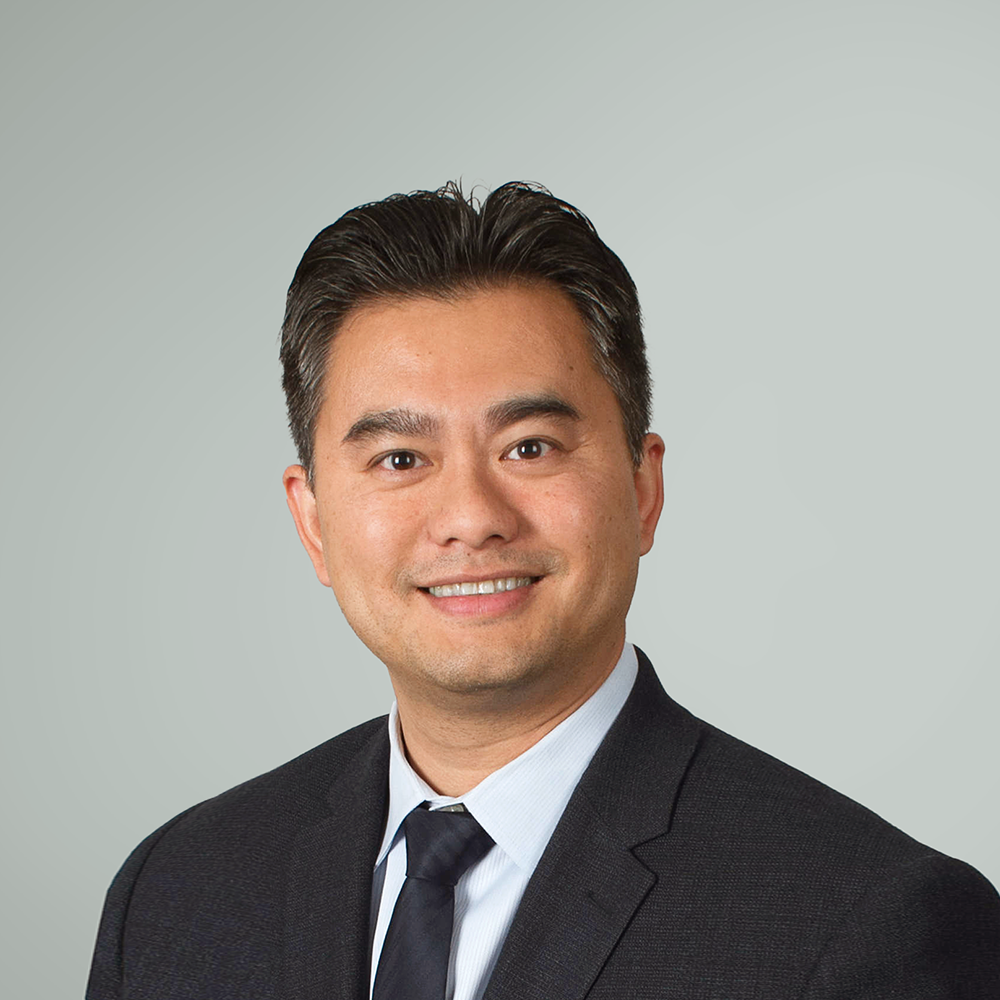
Reviewed by Dr. Kurt Hong
Dr. Kurt Hong, M.D., PhD., was raised in Los Angeles, CA. He received his M.D. degree from Harvard Medical School in 1999 and a Ph.D in Cellular and Molecular Pathology from UCLA in 2008. Dr. Hong is a professor who currently teaches at the USC School of Gerontology and the USC Keck School of Medicine, and has received multiple teaching awards. The most rewarding part of his job is providing meaningful care that has a direct impact on patients' lives. His areas of expertise include gerontology, clinical nutrition, geriatrics, integrative health, and precision medicine. Dr. Hong's current areas of research interest include studying nutrition and metabolic factors that contribute to age-related diseases and conditions. In his free time, Dr. Hong enjoys running, hiking, traveling, and cooking.
This information is not a substitute for medical advice or treatment. Talk to your doctor or healthcare provider about your medical condition prior to starting any new treatment. MedBox by AmeriPharma assumes no liability whatsoever for the information provided or for any diagnosis or treatment made as a result, nor is it responsible for the reliability of the content. MedBox by AmeriPharma does not operate all the websites/organizations listed here, nor is it responsible for the availability or reliability of their content. These listings do not imply or constitute an endorsement, sponsorship, or recommendation by MedBox by AmeriPharma. This webpage may contain references to brand-name prescription drugs that are trademarks or registered trademarks of pharmaceutical manufacturers not affiliated with MedBox by AmeriPharma.

 English
  Spanish
  Chinese
  Vietnamese