
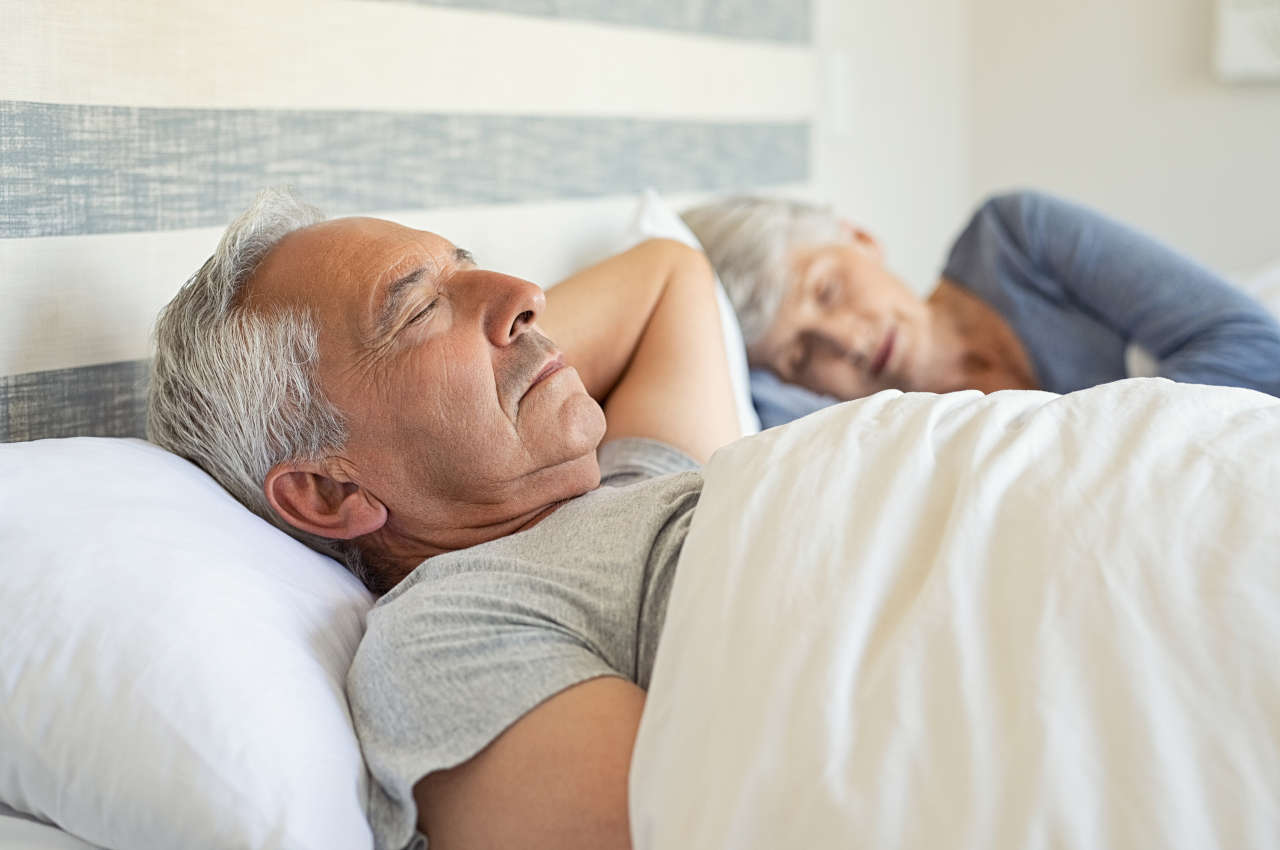
Over half of older adults in the U.S. are at risk for sleep apnea, but only 8% of those adults at risk have been tested for it. Sleep apnea is more than just annoying snoring at night. Every time your breathing is interrupted during sleep, you may not get enough oxygen or quality sleep.
您的处方分类和交付
Left untreated, sleep apnea can impact your energy level, focus, mood, and overall health. Untreated sleep apnea strains your heart and blood vessels night after night, significantly raising the risk of high blood pressure, heart attack, stroke, and irregular heart rhythms like atrial fibrillation. Over time, it can also lead to heart failure and pulmonary hypertension (high blood pressure in the lungs’ arteries).
It’s also easy to miss the signs of sleep apnea in older adults, as some symptoms, such as daytime sleepiness or frequent nighttime awakenings, can be attributed to aging. Read on to learn more about the warning signs so you can seek testing and treatment.
What Is Sleep Apnea?
Sleep apnea is characterized by pauses in breathing or periods of shallow breathing during sleep. These episodes can last several seconds and occur many times each hour.
If you have sleep apnea, your breathing may completely stop for a few seconds. Then, your brain will wake you up just enough to resume normal breathing. Your oxygen levels might dip during these pauses.
The awakenings are usually so brief that you may not realize you wake up at all. These repeated disruptions can fragment your sleep and make it harder to get enough restorative sleep. Daytime fatigue may be your only symptom.
Sleep apnea symptoms in older adults may seem like natural signs of aging because fatigue, memory issues, and concentration difficulties have many possible causes. A medical evaluation can help determine whether sleep apnea or another condition is causing these symptoms.
Types of Sleep Apnea
There are three main types of sleep apnea:
- Obstructive sleep apnea (OSA): This is the most common form of sleep apnea. Obstructive sleep apnea occurs when the muscles that support the throat relax, causing the airway to narrow or close during sleep.
- Central sleep apnea (CSA): This occurs when your brain doesn’t send proper signals to the muscles that control your breathing. It isn’t caused by a blocked airway. Unlike obstructive sleep apnea, treatment often focuses on addressing the underlying cause — such as heart failure or medication use — rather than simply keeping the airway open.
- Treatment-emergent central sleep apnea (also sometimes called complex or mixed sleep apnea): Sometimes central apneas can occur while you’re being treated for obstructive sleep apnea. This type can develop after you begin positive airway pressure therapy.
Knowing the cause of your sleep apnea helps determine the best treatment for you.
Sleep Apnea Symptoms in Older Adults
Sleep apnea isn’t always obvious, particularly if you sleep alone. The symptoms include:
- Loud, persistent snoring
- Pauses in breathing during sleep
- Gasping or choking while asleep
- Frequent nighttime awakenings
- Waking up with a dry mouth or headache
- Excessive daytime sleepiness
- 注意力难以集中
- Mood changes or irritability
- Memory problems or confusion
- Waking up with a sore or dry throat
Because many of these symptoms happen while you’re asleep, a bed partner or someone who regularly observes you sleeping may notice the warning signs before you do.
处方已整理 | 只需支付自付部分
Sleep Apnea Risk Factors in Older Adults
Certain risk factors may increase your chances of developing sleep apnea. Learning about these risks may help you know when to seek medical advice for your symptoms.
- 年龄: Your chances of having obstructive sleep apnea increase with age. Age-related changes in the muscles and tissues of the upper airway may make the airway more likely to narrow or collapse during sleep.
- Overweight and obesity: Excess weight, especially in the upper body, can increase the amount of tissue around your upper airway. This increases the chances of your airway becoming obstructed.
- Anatomical features: Having a naturally narrow throat, enlarged tonsils, a thick neck, or certain jaw and facial structures may contribute to obstruction.
- Heart disorders: Certain heart disorders have been linked to an increased risk of central sleep apnea.
- Alcohol and some medications: Alcohol and certain sedating medications can increase your risk of sleep apnea by causing your muscles to relax or by interfering with your breathing during sleep.
- Sex: Men are more likely to develop obstructive sleep apnea than women. The risk for women increases after 绝经.
- Family history: If your parents, siblings, or children have sleep apnea, you may be at increased risk of developing the condition yourself.
- 吸烟: Smokers may have increased inflammation and fluid retention in the upper airway, which can worsen airway narrowing and raise sleep apnea risk compared to nonsmokers.
- Nasal congestion/obstruction: Chronic nasal congestion, whether from allergies, a deviated septum, or other structural issues, makes it harder to breathe through the nose and increases the likelihood of airway collapse during sleep.
How Sleep Apnea Is Diagnosed
Your doctor will typically start by chatting with you about your symptoms, sleep habits, and medical history. They may ask whether you snore loudly, wake up gasping or choking, feel very sleepy during the day, or have been told you stop breathing during sleep.
They will also perform a physical exam to identify factors that may increase your risk of airway obstruction, such as obesity, a larger neck circumference, and the anatomy of your mouth and throat.
If your doctor suspects you have sleep apnea, you may undergo a sleep study for diagnosis. An overnight study performed at a sleep center, called polysomnography, uses sensors to monitor your breathing, blood oxygen levels, heart rate and rhythm, brain waves, and body movements while you sleep.
Sleep studies can be done overnight at a sleep center or, for certain individuals, with an at-home sleep apnea test. Home testing is usually simpler than an in-center study because it monitors only parameters related to breathing. However, home sleep studies aren’t suitable for everyone. They’re generally not recommended for people with significant heart or lung disease, other sleep disorders, or suspected central sleep apnea, since these tests are designed to detect obstructive events and may not capture the full picture.
An inconclusive home sleep apnea test or suspicion of other sleep disorders may warrant an in-center study for further evaluation. The results of your sleep study will help determine whether you have sleep apnea and indicate its severity. Your healthcare provider will then be able to identify what type of sleep apnea you have.
Medbox:再也不用分拣药物了
Sleep Apnea Treatment Options
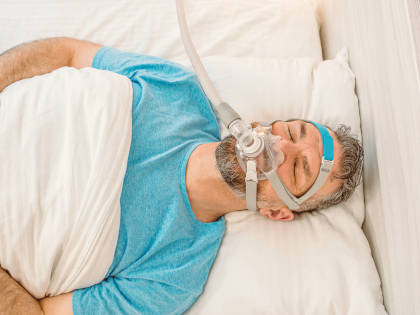
Your treatment will depend on the type of sleep apnea you have, its severity, and your overall health. For older adults, other health conditions, medications, and the ability to comfortably use treatment devices may also influence the treatment plan. Your healthcare provider may recommend one or more of the following:
- CPAP therapy: Continuous positive airway pressure, or CPAP, uses a machine to deliver a constant supply of air through a mask you wear while you sleep. The air pressure keeps your airway open. CPAP is one of the most common and effective treatments for obstructive sleep apnea.
- Other PAP devices: Alternative forms of PAP, such as APAP or bilevel PAP, might be recommended if CPAP isn’t appropriate or doesn’t fit well.
- Oral appliances: These custom-fitted devices, also known as sleep apnea mouthpieces or dental devices, work by repositioning your jaw or tongue to ensure your airway stays open. Oral appliances may be used to treat certain cases of obstructive sleep apnea, especially when someone can’t tolerate CPAP therapy.
- Lifestyle changes: In some cases of obstructive sleep apnea, changes such as losing weight, exercising regularly, limiting alcohol, not smoking, and sleeping on your side may reduce your symptoms and help you 获得更好的睡眠.
- Surgery: Surgery may be an option for people with enlarged tissues, certain jaw structures, or other physical factors that cause narrowed airways.
结论
Chronic disruptions to your breathing during sleep can leave you feeling tired during the day and impact your long-term health. If you experience chronic snoring, wake up gasping for air, or have morning headaches, don’t write these symptoms off as normal aging.
A proper diagnosis can help determine what is causing your symptoms and which treatments may be appropriate. If you notice possible signs of sleep apnea, talk with your healthcare provider about whether testing is recommended.
关于作者

评论者:Kurt Hong 博士
Kurt Hong 博士,医学博士,在加利福尼亚州洛杉矶长大。他于 1999 年获得哈佛医学院医学博士学位,2008 年获得加州大学洛杉矶分校细胞与分子病理学博士学位。洪博士是一名教授,目前在南加州大学老年学学院和南加州大学凯克医学院任教,曾获得多个教学奖项。他工作中最有成就感的部分是提供有意义的医疗服务,对患者的生活产生直接影响。他的专业领域包括老年学、临床营养学、老年医学、综合健康和精准医学。 洪医生目前的研究兴趣领域包括研究导致老年相关疾病和病症的营养和代谢因素。闲暇时,洪医生喜欢跑步、远足、旅行和烹饪。
本信息不能替代医疗建议或治疗。在开始任何新的治疗之前,请向您的医生或医疗保健提供者咨询您的身体状况。MedBox by AmeriPharma不对所提供的信息或由此产生的任何诊断或治疗承担任何责任,也不对内容的可靠性负责。MedBox by AmeriPharma并不运营此处列出的所有网站/组织,也不对其内容的可用性或可靠性负责。这些列表并不意味着或构成 MedBox by AmeriPharma 的认可、赞助或推荐。本网页可能包含品牌处方药的参考资料,这些品牌处方药是与MedBox by AmeriPharma无关的制药商的商标或注册商标。