

Did you know that over 50 million Americans suffer from some degree of hearing loss? That’s approximately one in every seven people throughout the United States. Hearing loss can begin long before you realize there’s a problem.
Your Prescriptions Sorted and Delivered
For most people, hearing loss develops slowly and gradually, often going unnoticed until it becomes more significant. There’s no sudden silence or dramatic popping sound in your ears, as some might expect. Instead, it can progress quietly as part of everyday life.
Everyday sounds, noise pollution, activities, and even things you routinely listen to can damage your hearing, making hearing loss a tricky thing. The good news is that many of these causes can be minimized to prevent significant hearing loss. Read on to learn about the causes of hearing loss, how to prevent it, and ways to protect your hearing.
Causes of Hearing Loss
Hearing loss can develop from a wide range of causes, many of which have compounding effects over time. These include:
- Prolonged exposure to loud noise: Loud noise can damage the sensory cells in the inner ear, especially with prolonged exposure. These noises can range from traffic, listening to loud music, or operating machinery.
- Sudden loud sounds or explosions: Very loud, sudden sounds can cause immediate and permanent hearing damage due to rupturing of the eardrum or damage to inner-ear structure.
- Aging: Hearing weakens as we grow older due to natural, age-related changes to the inner ear and auditory system.
- Earwax buildup: Excessive earwax buildup can physically block sound waves from reaching the inner ear.
- Ear infections: Fluid in the middle ear or inflammation can disrupt sound. Recurrent or untreated infections can lead to longer-term hearing loss if there is damage to the tissue.
- Ototoxic medications: Certain prescription drugs have hearing damage as a side effect. Common ototoxic drugs include some chemotherapy agents, certain antibiotics, loop diuretics, and high doses of aspirin. Risk depends on the type of drug, dosage, duration of use, and individual susceptibility.
- Head or ear trauma: Trauma interrupts how sound is processed through the ear and nervous system.
- Genetic factors: Family traits can make you susceptible to hearing loss.
- Chronic health conditions: Medical conditions like diabetes and hypertension can harm your ears.
- Poor circulation: This can reduce the amount of nutrients that reach your ears, which can damage cells.
6 Ways To Protect Your Hearing
Protecting your hearing starts with simple choices like the following:
1. Lower the Volume on Personal Devices
Although it can be enticing to blast your music sometimes, it is generally not safe for your ears, especially when using earbuds. A good measure for loudness to keep in mind when using earbuds or headphones is that if someone sitting beside you can hear what you’re listening to, then it’s too loud. For speakers, if you can physically feel vibrations from the soundwaves, it is too loud.
Some smartphones already have settings that limit your maximum volume. If your phone has this feature, turn it on and let your phone handle it for you. Consider the environment around you as well. If you’re in a loud place, you may want to turn up the volume to match it, but it is important to keep in mind that attempting to drown out outside noise can be damaging to your ears. Instead, try to find a place with lower ambient noise or wear noise-cancelling headphones instead to remove external noise.
Sorted Prescriptions | Only Pay Your Copays
2. Use Hearing Protection in Noisy Environments
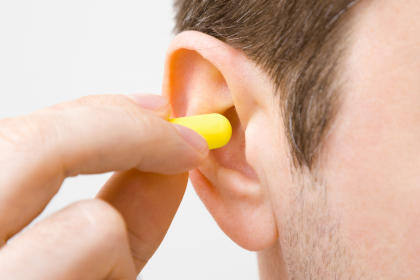
If you frequently find yourself in loud environments, such as concerts, construction sites, loud clubs, or gyms with loud music, it is highly recommended that you use hearing protection. Foam earplugs are inexpensive, portable, and more effective than most people think.
If you know you’ll be around loud noises frequently, invest in reusable earplugs or those that are custom-fitted to your ears. They muffle sound without distorting it. Keep a pair of earplugs in your purse, car, or jacket pocket so you’ll always have some on hand.
If you’re frequently exposed to extremely loud environments, the best option is over-the-ear hearing protection, such as earmuffs that resemble headphones. Electronic noise-canceling devices such as headsets and earbuds are also great options.
3. Get Routine Hearing Checkups
By the time you notice symptoms of hearing loss, it may already be too late for early treatment. Regular health screenings allow you to notice when something is changing so you can catch it early. If you’re frequently exposed to loud noises or use headphones a lot, consider making hearing tests part of your yearly routine.
Hearing tests only take minutes, are painless, and can give you a lot of important information. At a minimum, they will establish a baseline that you can reference should you begin to notice symptoms later.
4. Treat Ear Infections Promptly
Ear infections can be very painful, and they can impact your hearing if left untreated. If you experience any pain, pressure, drainage, or muffled hearing, have your ears checked as soon as possible to ensure proper treatment.
Chronic infections can lead to fluid buildup or long-term damage to the structures in your ear, especially if left untreated. It is important to take all medications as prescribed, even if you feel better after a few days. This is especially true for antibiotics, as the entire course of antibiotics is needed to completely clear the infection, and symptoms generally go away prior to the infection being cleared. Keep your ears dry and avoid inserting anything into them while they heal or even after they heal.
5. Follow Medication Instructions Carefully
Certain medications are known to cause or worsen hearing loss. Risk depends on the type of drug, dosage, duration of use, and individual susceptibility, and higher and longer-term doses have higher risks. Follow your doctor’s instructions on dosage and never combine medications without approval.
If you experience ringing in your ears, dizziness, or other changes in hearing when taking a new medication, consult your doctor immediately. They may be able to identify alternative drugs or reduce the dosage or duration to protect your hearing. Never increase your own dosage, duration, or take more than prescribed.
Medbox: Never Sort Medications Again
6. Maintain Healthy Circulation and Heart Health
Healthy circulation is important for your ears to work correctly. When you have poor circulation, you may harm the delicate structures in your ears that help with your hearing. Eat a balanced diet, exercise regularly, and drink plenty of water to support circulation.
Certain medical conditions can also increase the risk of hearing loss. Controlling high blood pressure, diabetes, or cholesterol is important for mitigating risk. Little things can help: walk and exercise regularly, stretch often, avoid or minimize bad habits like smoking, and get plenty of rest. When your heart and body are healthy, this will improve your blood flow and help keep your ears healthy, too.
Conclusion
Taking care of your hearing doesn’t have to include a drastic lifestyle change. Rather, it can involve simple choices you make every day — choices that may not affect your daily lifestyle at all, but can significantly delay hearing loss. The earlier you start taking care of your ears, the better your chances of hearing the world around you for many years to come.
About the Author

Reviewed by Dr. Ryo Sanabria
Dr. Ryo Sanabria, PhD, was born and raised in New York. They received a B.A. and M.A. in biotechnology from CUNY Hunter College, and an M.A., M.Phil., and PhD in Nutrition and Metabolic Sciences from Columbia University. Dr. Sanabria is a professor who currently teaches at the USC Leonard Davis School of Gerontology. Their areas of expertise include gerontology, cell biology, molecular biology, genetics, and nutrition. They are the recipient of many awards and grants and have authored numerous research papers. The most rewarding part of their work is training and mentoring new scientists. Dr. Sanabria is an avid fitness enthusiast, and in their free time, they enjoy marathon running and weight-lifting. Dr. Sanabria's pronouns are they/them/their.
This information is not a substitute for medical advice or treatment. Talk to your doctor or healthcare provider about your medical condition prior to starting any new treatment. MedBox by AmeriPharma assumes no liability whatsoever for the information provided or for any diagnosis or treatment made as a result, nor is it responsible for the reliability of the content. MedBox by AmeriPharma does not operate all the websites/organizations listed here, nor is it responsible for the availability or reliability of their content. These listings do not imply or constitute an endorsement, sponsorship, or recommendation by MedBox by AmeriPharma. This webpage may contain references to brand-name prescription drugs that are trademarks or registered trademarks of pharmaceutical manufacturers not affiliated with MedBox by AmeriPharma.

 English
  Spanish
  Chinese
  Vietnamese