
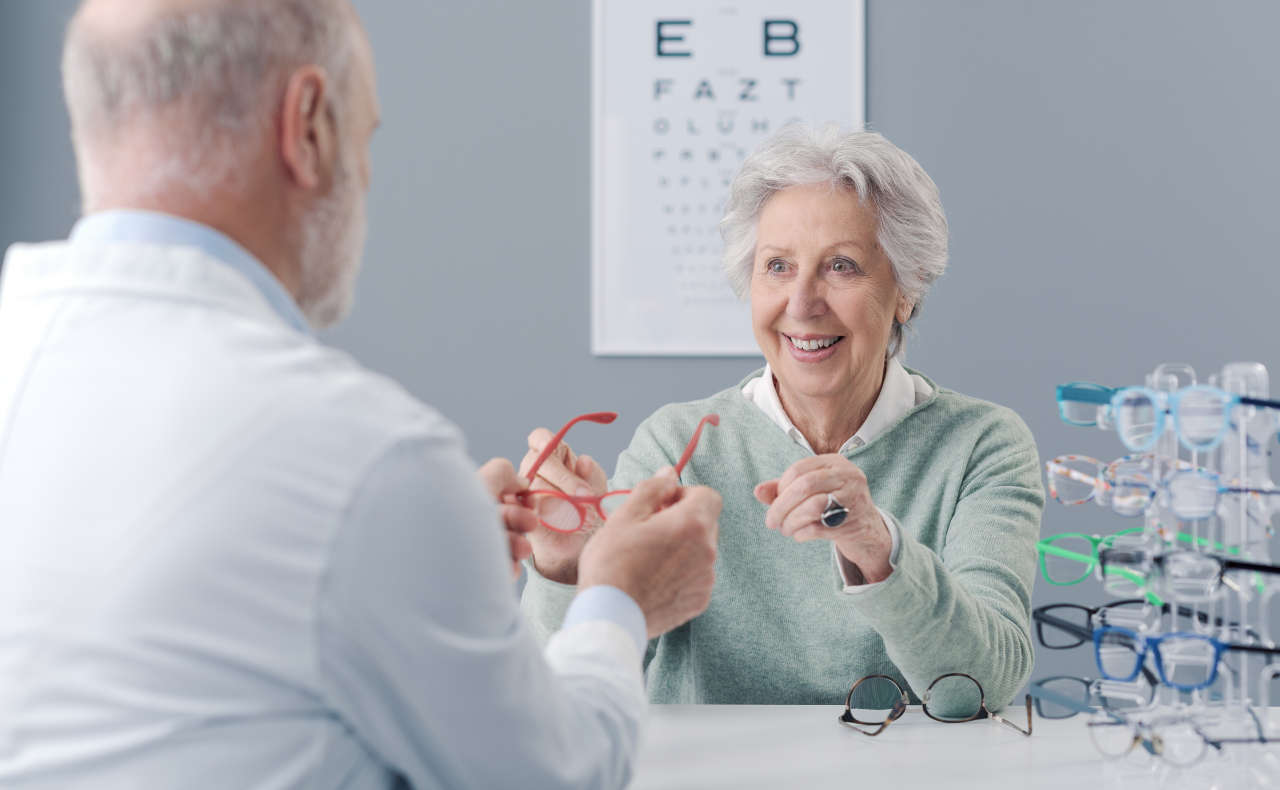
Các vấn đề về thị lực thường xảy ra dần dần, khiến chúng dễ bị bỏ qua cho đến khi các công việc hàng ngày như đọc sách, lái xe hoặc sử dụng màn hình trở nên khó khăn hơn. Nếu bạn nhận thấy ngày càng khó đọc những vật ở gần, khó lái xe vào ban đêm, màn hình máy tính bị mờ hoặc cần nhiều ánh sáng hơn để nhìn, điều đó có thể có nghĩa là thị lực của bạn đang suy giảm dần.
Medbox: Một cách an toàn hơn để uống thuốc
Quá trình lão hóa tự nhiên ảnh hưởng đến mắt và có thể làm tăng nguy cơ mắc các bệnh như đục thủy tinh thể, tăng nhãn áp, khô mắt, hiện tượng ruồi bay trước mắt và thoái hóa điểm vàng nếu không được theo dõi đúng cách. Các vấn đề về mắt liên quan đến bệnh tiểu đường hoặc huyết áp cũng khá phổ biến. Càng sớm hiểu rõ những yếu tố ảnh hưởng đến mắt, bạn càng có thể bảo vệ thị lực và sự tự chủ lâu dài của mình hiệu quả hơn.
Trong bài viết này, chúng tôi đã nêu ra những bước đơn giản, thiết thực giúp bạn bảo vệ thị lực khi về già.
9 cách đơn giản để bảo vệ thị lực của bạn theo thời gian
Sức khỏe mắt thường phụ thuộc vào những lựa chọn thường nhật nhất quán:
1. Lên lịch khám mắt toàn diện định kỳ
Nhiều bệnh về mắt dễ điều trị hơn khi được phát hiện sớm, do đó việc khám mắt định kỳ và kiểm tra sức khỏe Một phần quan trọng của quá trình lão hóa lành mạnh là thị lực. Bệnh tăng nhãn áp, đục thủy tinh thể và thoái hóa điểm vàng có thể tiến triển chậm mà không biểu hiện bất kỳ triệu chứng nào. Trong nhiều trường hợp, tình trạng suy giảm thị lực rõ rệt chỉ xảy ra sau khi tổn thương đã tiến triển. Viện Nhãn khoa Quốc gia Khuyến cáo nên khám mắt giãn đồng tử 1-2 năm một lần bắt đầu từ tuổi 60. Những người có nguy cơ cao hơn, bao gồm cả những người có tiền sử gia đình mắc bệnh tăng nhãn áp, có thể cần được sàng lọc sớm hơn và thường xuyên hơn.
Việc khám sàng lọc định kỳ có thể phát hiện sớm các vấn đề trước khi chúng ảnh hưởng đến các hoạt động hàng ngày của bạn. Chúng cũng có thể cảnh báo bạn về các triệu chứng của các bệnh khác, chẳng hạn như tiểu đường hoặc... tăng huyết áp.
2. Đeo kính râm chống tia UV khi ra ngoài trời.
Một trong những cách dễ nhất để giảm thiểu tổn thương mắt lâu dài do ánh nắng mặt trời là đeo kính râm có khả năng chặn tia cực tím. Nghiên cứu về tác động của tia cực tím lên mắt Nghiên cứu cho thấy giác mạc có thể tiếp nhận lượng bức xạ tia cực tím cao khi tiếp xúc trực tiếp với ánh nắng mặt trời.
Nghiên cứu cũng lưu ý rằng kính râm có thể làm giảm sự tiếp xúc đó. Kính râm có nhãn “100% bảo vệ tia UV” hoặc “UV400” có thể làm giảm đáng kể sự tiếp xúc lâu dài với tia UV và có thể giúp giảm nguy cơ đục thủy tinh thể và các tổn thương mắt khác do ánh nắng mặt trời gây ra.
3. Kiểm soát lượng đường trong máu và huyết áp
Duy trì mức đường huyết và huyết áp khỏe mạnh đóng vai trò quan trọng trong việc bảo vệ sức khỏe mắt lâu dài. Nghiên cứu Nghiên cứu cho thấy lượng đường trong máu cao có thể làm tổn thương các mạch máu nhỏ ở võng mạc, làm tăng nguy cơ mắc bệnh lý về mắt do tiểu đường. Người mắc bệnh tiểu đường nên khám mắt toàn diện ít nhất một lần mỗi năm. Đối với bệnh tiểu đường loại 2, lần khám đầu tiên nên được thực hiện vào khoảng thời gian chẩn đoán; đối với bệnh tiểu đường loại 1, lần khám đầu tiên thường được thực hiện trong vòng 5 năm sau khi khởi phát.
Huyết áp cao Nó cũng có thể làm gián đoạn lưu thông máu khỏe mạnh đến mắt, làm trầm trọng thêm tổn thương võng mạc. Chế độ ăn uống cân bằng, hoạt động thể chất thường xuyên và khám sức khỏe định kỳ có thể giúp duy trì lượng đường trong máu và huyết áp ở mức khỏe mạnh.
4. Sử dụng ánh sáng phù hợp khi đọc sách hoặc làm việc.
Ánh sáng phù hợp khi đọc sách hoặc làm việc có thể giúp giảm mỏi mắt và mệt mỏi thị giác. Khi ánh sáng quá yếu trong lúc đọc sách hoặc làm việc, mắt bạn phải làm việc vất vả hơn để tập trung. Theo thời gian, điều này có thể dẫn đến mỏi mắt, mệt mỏi, đau đầu và nhìn mờ.
Ánh sáng dịu nhẹ, phân bố đều thường thoải mái hơn khi đọc sách hoặc sử dụng màn hình trong thời gian dài. Ánh sáng tự nhiên, nếu có, là tốt nhất. Vào ban đêm, nên chọn ánh sáng trắng ấm không nhấp nháy. Bố trí đèn sao cho giảm độ chói trên màn hình và tài liệu đọc bất cứ khi nào có thể.
Đơn thuốc được sắp xếp theo thứ tự | Bạn chỉ cần thanh toán phí đồng chi trả.
5. Ăn các thực phẩm giàu chất chống oxy hóa và Omega-3

Ăn các thực phẩm giàu chất chống oxy hóa và axit béo omega-3 giúp mắt chống lại stress oxy hóa. Chế độ dinh dưỡng này về cơ bản là chế độ ăn kiểu Địa Trung Hải: rau lá xanh, rau củ nhiều màu sắc, trái cây, đậu, ngũ cốc nguyên hạt, các loại hạt, dầu ô liu và cá. Nghiên cứu Nghiên cứu cho thấy chất chống oxy hóa có thể giúp giảm căng thẳng oxy hóa, yếu tố góp phần gây tổn thương mắt do tuổi tác, trong khi axit béo omega-3 hỗ trợ chức năng võng mạc và có thể giúp giảm các triệu chứng khô mắt.
Nhìn chung, các dưỡng chất này có thể giúp hỗ trợ sức khỏe tổng thể của mắt và quá trình lão hóa lành mạnh của võng mạc. Các thực phẩm chứa chất chống oxy hóa có lợi bao gồm:
- Quả việt quất
- Rau chân vịt
- Cải xoăn
- Bông cải xanh
- Súp lơ
- Khoai tây
- Hành tây
- Ớt chuông
- dâu tây
- Cà rốt
- Cam
- Trà xanh
Bạn có thể bổ sung omega-3 từ:
- Cá hồi
- Cá mòi
- Cá thu
- Cá ngừ
- Hạt chia
- Quả óc chó
6. Hạn chế uống quá nhiều rượu bia
Giảm lượng rượu bia có thể giúp ích cho mắt về lâu dài. Nghiên cứu Các nghiên cứu đã chỉ ra rằng việc lạm dụng rượu có thể dẫn đến thoái hóa điểm vàng do tuổi tác, đục thủy tinh thể và tổn thương võng mạc do stress oxy hóa và thiếu hụt dinh dưỡng.
Lạm dụng rượu có thể góp phần gây ra stress oxy hóa và làm giảm lượng chất dinh dưỡng cung cấp cho các mô mắt theo thời gian. Hãy hạn chế lượng rượu bạn tiêu thụ.
Một mẹo để làm điều này là uống nước giữa các lần uống đồ uống có cồn. Điều này cũng có thể giúp nhận biết và tránh các tác nhân kích thích dẫn đến việc uống rượu.
7. Đeo kính theo toa khi cần thiết
Việc không đeo kính theo toa khiến mắt bạn phải căng thẳng để tập trung. Kính điều chỉnh thị lực giúp mắt bạn tập trung hiệu quả hơn, giảm bớt sự căng thẳng không cần thiết khi đọc sách, lái xe hoặc sử dụng màn hình.
Vì thị lực của chúng ta thay đổi theo tuổi tác, điều quan trọng là phải thường xuyên đi khám mắt để cập nhật đơn kính. Hãy đeo kính theo đúng hướng dẫn để giảm mỏi mắt không cần thiết.
Đơn thuốc của bạn được phân loại và giao
8. Hãy bỏ thuốc lá
Bỏ hút thuốc là một trong những bước quan trọng nhất bạn có thể thực hiện để bảo vệ sức khỏe mắt lâu dài. Hút thuốc có liên quan đến tổn thương các mạch máu trong mắt.
Nghiên cứu Các nghiên cứu cho thấy người hút thuốc có nguy cơ mắc thoái hóa điểm vàng do tuổi tác và đục thủy tinh thể cao hơn so với người không hút thuốc. Hút thuốc làm tổn thương võng mạc bằng cách hạn chế lượng oxy cung cấp qua đường máu.
Hút thuốc lâu năm làm tăng nguy cơ mất thị lực sớm hơn và nghiêm trọng hơn. Mặc dù đây là một thói quen khó bỏ, nhưng việc giảm dần lượng thuốc hút có thể mở đường cho việc bỏ thuốc. Hãy cân nhắc các liệu pháp thay thế nicotine, các nhóm hỗ trợ và tránh xa các tác nhân gây nghiện.
9. Nhận biết các dấu hiệu cảnh báo khẩn cấp
Mất thị lực đột ngột, những tia sáng lóe lên bất thường, nhiều vật thể trôi nổi trước mắt, một bức màn hoặc bóng mờ che khuất tầm nhìn, đau mắt đột ngột, nhìn đôi, hoặc các đường thẳng đột ngột trở nên ngoằn ngoèo đều cần được cấp cứu ngay trong ngày. Những triệu chứng này có thể là dấu hiệu của bong võng mạc, bệnh tăng nhãn áp cấp tính, đột quỵ mắt hoặc xuất huyết nội nhãn — những tình trạng mà mỗi giờ đều rất quan trọng. Hãy tìm kiếm sự trợ giúp ngay lập tức nếu bạn nhận thấy những triệu chứng này.
Phần kết luận
Việc bảo vệ thị lực khi bạn về già phụ thuộc phần lớn vào thói quen hàng ngày ổn định và chăm sóc phòng ngừa.
Hãy ăn uống đúng cách và đeo kính râm để bảo vệ mắt khỏi ánh nắng mặt trời. Tránh hút thuốc lá và uống quá nhiều rượu bia. Những thay đổi nhỏ trong lối sống được thực hiện đều đặn theo thời gian có thể tạo ra tác động đáng kể đến sức khỏe thị lực lâu dài.
Về tác giả

Đã được đánh giá bởi Tiến sĩ Kurt Hong
Tiến sĩ Kurt Hong, MD, PhD., lớn lên tại Los Angeles, CA. Ông nhận bằng MD từ Trường Y Harvard năm 1999 và bằng Tiến sĩ về Bệnh lý tế bào và phân tử từ UCLA năm 2008. Tiến sĩ Hong là giáo sư hiện đang giảng dạy tại Trường Lão khoa USC và Trường Y khoa USC Keck, và đã nhận được nhiều giải thưởng giảng dạy. Phần bổ ích nhất trong công việc của ông là cung cấp dịch vụ chăm sóc có ý nghĩa có tác động trực tiếp đến cuộc sống của bệnh nhân. Các lĩnh vực chuyên môn của ông bao gồm lão khoa, dinh dưỡng lâm sàng, lão khoa, sức khỏe tích hợp và y học chính xác. Các lĩnh vực nghiên cứu hiện tại của Tiến sĩ Hong bao gồm nghiên cứu dinh dưỡng và các yếu tố chuyển hóa góp phần gây ra các bệnh và tình trạng liên quan đến tuổi tác. Trong thời gian rảnh rỗi, Tiến sĩ Hong thích chạy bộ, đi bộ đường dài, du lịch và nấu ăn.
Thông tin này không thay thế cho lời khuyên hoặc phương pháp điều trị y tế. Hãy trao đổi với bác sĩ hoặc nhà cung cấp dịch vụ chăm sóc sức khỏe về tình trạng sức khỏe của bạn trước khi bắt đầu bất kỳ phương pháp điều trị mới nào. MedBox by AmeriPharma không chịu bất kỳ trách nhiệm nào đối với thông tin được cung cấp hoặc đối với bất kỳ chẩn đoán hoặc phương pháp điều trị nào được đưa ra do thông tin đó, cũng như không chịu trách nhiệm về độ tin cậy của nội dung. MedBox by AmeriPharma không vận hành tất cả các trang web/tổ chức được liệt kê ở đây, cũng không chịu trách nhiệm về tính khả dụng hoặc độ tin cậy của nội dung của họ. Các danh sách này không ngụ ý hoặc cấu thành sự chứng thực, tài trợ hoặc khuyến nghị của MedBox by AmeriPharma. Trang web này có thể chứa các tham chiếu đến các loại thuốc theo toa có tên thương hiệu là nhãn hiệu hoặc nhãn hiệu đã đăng ký của các nhà sản xuất dược phẩm không liên kết với MedBox by AmeriPharma.