
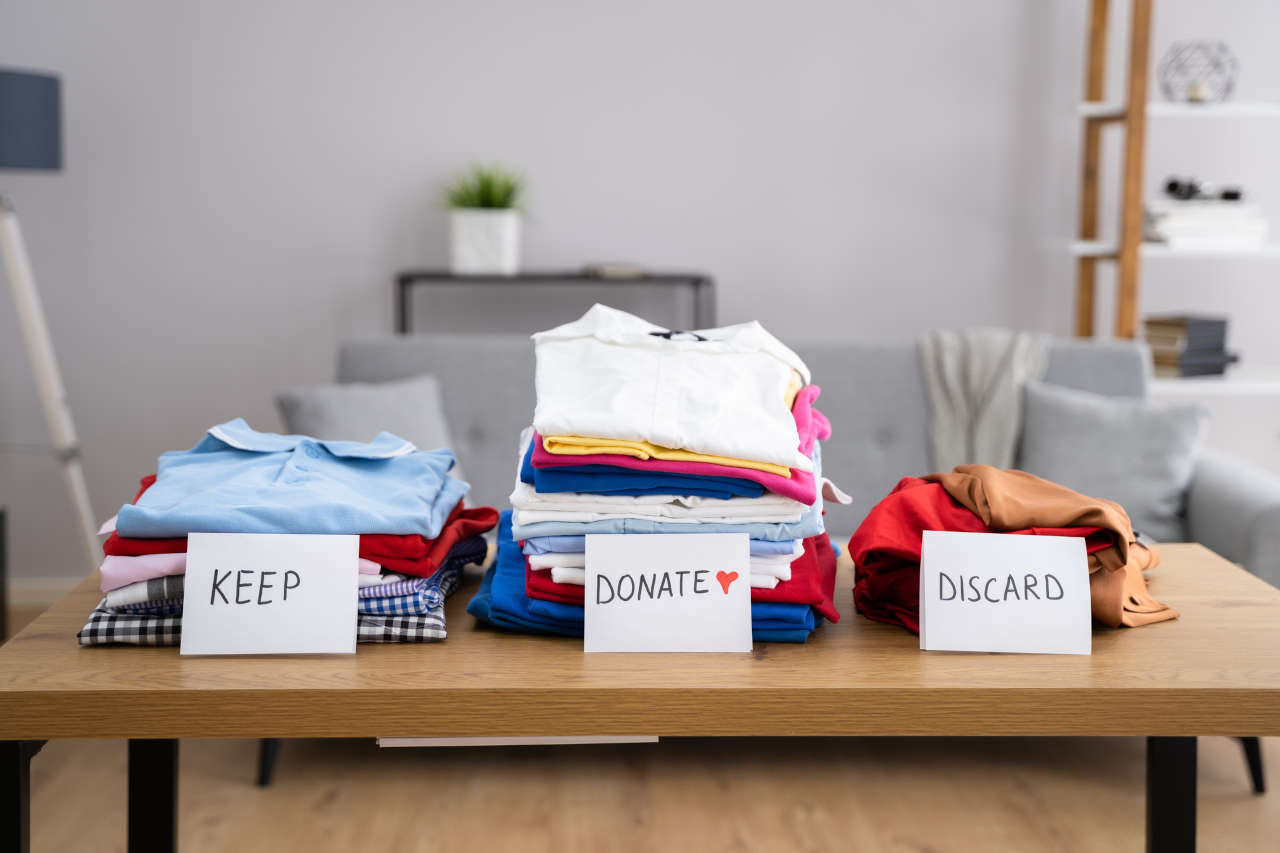
The average home contains over 300,000 items, many of which go unused for years, according to professional organizer Regina Lark. While that number may be surprising, clutter can build up quickly. Closets stay full, drawers stop closing, and boxes pile up throughout the house and garage.
Sorted Prescriptions | Only Pay Your Copays
Clutter builds gradually, making it harder to recognize as a problem right away. You might keep a gift, hold onto paperwork you think you will need, or save supplies from a hobby you no longer use, just in case you return to it. Over time, your home may begin to feel unfamiliar, less comfortable, more cramped, and even a source of stress.
For many seniors, each item often carries a memory, which can make discarding or letting go of the item especially difficult. Decluttering is not about erasing your past. It is about creating space for comfort and safety in the present.
Excess clutter can especially cause unnecessary stress for seniors aging in place, as it can make cleaning more challenging and can compromise safety. But the good news is that getting rid of the excess doesn’t require giving up sentimental things or possessions that are important to you. Read on to learn how to effectively declutter your home.
How To Lighten Your Space Without Feeling Overwhelmed
Decluttering works best when you keep it simple and practical. Here’s how to declutter your home without feeling overwhelmed:
1. Start Small
Decluttering your entire house might sound like a daunting task and feel overwhelming. Instead of trying to tackle everything at once, focus on one small area at a time. Start with a simple, manageable task such as choosing any single drawer, shelf, or corner of a room. Empty it so you can see everything in that space.
Wipe the drawer, shelf, or corner clean, and then assess what needs to go back into that space. Working in small sections at a time can prevent you from becoming overwhelmed while allowing you to see progress right away, which keeps you motivated. Avoid spending too much time in one spot, as it can lead to burnout.
2. Use the “Keep, Donate, Discard” Method
The more decisions you make, the longer decluttering will take. Make sorting easier by creating three piles: keep, donate, and discard. Often, donating an item can help you let go if you don’t have sentimental feelings about it but feel that discarding it would be wasteful. If you’re unsure about an item, ask yourself these questions:
- When was the last time I used this?
- Would I buy this item today?
- Do I need this?
Be realistic with your answers. If you have multiple kitchen appliances that serve the same purpose, you probably won’t need extras. The same goes for clothes that you never wear or paperwork that you no longer need.
Place items you plan to donate directly into a bag and set it by the door or in your car right away. Do the same with trash — tie the bag and take it out promptly. Once these items leave your home, you won’t be tempted to second-guess your decision or bring them back inside.
Medbox: Simplify Your Prescription Routine
3. Set a Timer for Short, Focused Sessions
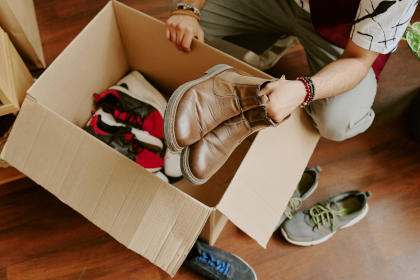
You don’t need to dedicate an entire weekend to decluttering. In fact, working for long stretches of time can leave you feeling exhausted, worn out, and overwhelmed. It may feel faster to power through, but burnout can slow your progress. Using a timer helps you stay focused without feeling drained, and short bursts of effort make the task feel much more manageable.
Set a timer for 15 to 20 minutes, then work until it goes off. When the timer ends, take a short break and rest; if you feel ready to continue after a break, then reset the timer and start again. This amount of time is long enough to build momentum, yet short enough to keep your mind from wandering.
4. Clear Hallways and High-Traffic Areas First
Start decluttering from the areas where safety is a priority. Focus on hallways, stairs, doorways, and the path between your bed and the bathroom. Move magazines, cords, end tables, or other décor that may encroach on your walking path.
Tripping is one of the leading causes of injury as we age, and clutter can increase that risk. Clear anything from the floor, secure loose rugs, and rearrange furniture so it does not obstruct your path. Once you declutter these high-traffic spaces, you’ll improve visibility and reduce tripping hazards, helping prevent falls.
5. Digitize Important Documents and Photos
Paper tends to pile up easily. Stacks of old bank and credit card statements, insurance documents, or user manuals can accumulate and quickly take over a space. Start by sorting through the paperwork by pulling out what you need to keep in hard copy, such as legal documents, real estate deeds, and IDs. Most user manuals, bank and credit card statements, and policy documents are available online, so keeping paper copies is no longer necessary.
For documents that are not available online, you can scan almost everything else. Consider purchasing an inexpensive scanner or downloading a scanning app on your phone or tablet. Create clearly labeled folders for each document category and save them to an external hard drive or cloud storage for easy access and safekeeping. This can significantly eliminate paper clutter.
Photos can also be scanned for safekeeping. Digital copies eliminate the risk of deterioration or damage and won’t take up any closet space. You can always keep a few printed pictures that are meaningful to you, but file the rest away electronically to stop cluttering drawers and closets.
6. Let Go of Duplicates and Unused Items
You’d be surprised how many duplicate items are lurking in most homes. It could be an extra pair of scissors, three sets of measuring cups, or towels that never leave the linen closet. Start by grouping similar items together and assessing how many you actually need.
Keep the highest quality version and donate the others. The same thing goes for unused hobby items and clothing that no longer serve you. If you haven’t worn it or used it in the past year, you likely don’t need it. The less you have, the easier life can be.
7. Sort Sentimental Items Separately
Sentimental items are often the hardest to sort through. Oftentimes, it is the most efficient to save sorting of sentimental items to the end. During your initial sorting, put these items aside so they don’t overwhelm you or undo any progress you have already made. When you are ready, set aside time to go through them thoughtfully. Sometimes, it can help to make a smaller memory of a sentimental item. For example, take pictures of bulky items that have sentimental value, but may not be useful for you to keep, then donate it to someone else who could benefit from it. Even for sentimental items, think about duplicate items that may serve the same purpose. For example, letters from your sixth-grade pen pal may be important to you, but perhaps save one or two of your favorite letters instead of all of them. Items like souvenirs, handmade gifts, or children’s artwork may all be meaningful, but you may only need to keep a few favorites.
Your Prescriptions Sorted and Delivered
Conclusion
Minimalism is not about having as little as possible. It is about creating a space that supports your lifestyle. An uncluttered hallway makes walking easier. An organized drawer saves you time. Fewer possessions mean fewer decisions to make, less to clean, and less to trip over. Keep what adds value to your life, and let go of what no longer serves you.
About the Author

Reviewed by Dr. Ryo Sanabria
Dr. Ryo Sanabria, PhD, was born and raised in New York. They received a B.A. and M.A. in biotechnology from CUNY Hunter College, and an M.A., M.Phil., and PhD in Nutrition and Metabolic Sciences from Columbia University. Dr. Sanabria is a professor who currently teaches at the USC Leonard Davis School of Gerontology. Their areas of expertise include gerontology, cell biology, molecular biology, genetics, and nutrition. They are the recipient of many awards and grants and have authored numerous research papers. The most rewarding part of their work is training and mentoring new scientists. Dr. Sanabria is an avid fitness enthusiast, and in their free time, they enjoy marathon running and weight-lifting. Dr. Sanabria's pronouns are they/them/their.
This information is not a substitute for medical advice or treatment. Talk to your doctor or healthcare provider about your medical condition prior to starting any new treatment. MedBox by AmeriPharma assumes no liability whatsoever for the information provided or for any diagnosis or treatment made as a result, nor is it responsible for the reliability of the content. MedBox by AmeriPharma does not operate all the websites/organizations listed here, nor is it responsible for the availability or reliability of their content. These listings do not imply or constitute an endorsement, sponsorship, or recommendation by MedBox by AmeriPharma. This webpage may contain references to brand-name prescription drugs that are trademarks or registered trademarks of pharmaceutical manufacturers not affiliated with MedBox by AmeriPharma.