

Feeling “normal” after COVID does not always mean that you are fully healed from the effects of COVID. Most people believe that if the fever and cough subside, they are COVID-free, but symptoms can last for weeks or even months after infection.
Medbox: no vuelva a ordenar los medicamentos
People who once suffered from COVID may later experience fatigue, shortness of breath, brain fog, sleep disturbances, or muscle pain. Some symptoms may appear and then subside, creating the illusion that one is completely COVID-free, but this is not always the case. Read on to learn what long COVID is, how it affects daily living, and how to manage it.
What Is Long COVID?
Long COVID, also known as post-COVID condition or medically sometimes referred to as Post-Acute Sequelae of SARS-CoV-2 infection (PASC), is what happens when symptoms of COVID-19 persist long after the acute illness has passed (particularly if the symptoms persist for more than 4 weeks after COVID infection). Anyone can get long COVID, even those who had mild illness or weren’t symptomatic at all.
The condition is quite common. Roughly 7.2% of adults in the United States suffer from this condition. However, it doesn’t impact everyone equally. Women and middle-aged adults tend to struggle with long COVID more than others. Those with multiple episodes of COVID infections are also at higher risk. For older adults, it can make it difficult to recover from other illnesses. It can also make daily activities harder to manage.
Long COVID Symptoms
Signs vary from person to person. They usually include:
- Fatigue or extreme tiredness
- Shortness of breath or difficulty breathing
- Brain fog or trouble concentrating
- Sleep disturbances or insomnia
- Joint or muscle pain
- Chest pain or palpitations
- dolores de cabeza
- Loss of taste or smell (or changes in them)
- Mareos o aturdimiento
- Digestive issues (nausea, diarrhea, stomach pain)
- Persistent cough
- Hormonal disturbance, such as worsening blood sugar control or irregular menstrual periods
Why COVID-19 Can Affect Your Health Long After Infection
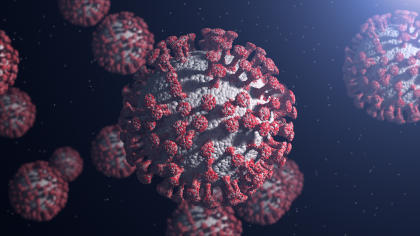
COVID-19 can cause damage to your body even after you recover from the infection. Scientists don’t know exactly why this occurs. However, they have theories:
- Immune system disruption: COVID-19 may disrupt how cells communicate in your immune system. This can cause your immune system to attack your body as if it were a foreign invader (an autoimmune response).
- Reactivation of dormant viruses: COVID-19 could reactivate viruses that you already have in your body that your immune system has kept in an inactive state.
- Impact on the gut: COVID-19 infection can disrupt your gut microbiome. It can also linger in your gastrointestinal system for longer than expected.
- Blood vessel damage: COVID-19 may injure the cells that line your blood vessels. This could affect blood flow to different parts of your body and organ function.
- Nerve and brain interference: COVID-19 may affect your brain stem. It might also affect the vagus nerve, which sends signals to organs that control vital functions, such as heart rate, breathing, digestion, and more.
Nuestra farmacia preclasifica y empaqueta sus pastillas
Who Is at Risk?
Anyone who has had COVID-19 can develop long COVID, but some groups are more likely to be affected. These include:
- Women
- Hispanic and Latino adults
- People who experienced severe COVID-19, especially those who were hospitalized or needed intensive care
- Adults with underlying health conditions (particularly those with diabetes or obesity) and those aged 65 or older
- People who were not vaccinated against COVID-19
- People with multiple episodes of COVID infections
- Patients with chronic autoimmune diseases
Testing and Diagnostics
Evaluating long COVID involves several steps, as there isn’t a single test that can confirm it. The decision on specific treatment is mainly driven by your symptoms.
- Medical history review: Your doctor will inquire about past COVID infections, when symptoms first appeared, and any pre-existing medical conditions you may have. This can help them determine how your symptoms manifested and whether they are connected to COVID.
- Symptom tracking: Keeping a record of how often you experience fatigue, shortness of breath, brain fog, or any other unusual symptoms can help identify patterns over time. Note when you experience symptoms and how severe they are, as well as any triggers you may have noticed.
- Laboratory tests: Blood work can be used to detect inflammation, rule out anemia, assess organ damage, identify electrolyte abnormalities, and evaluate other indicators to help identify possible causes of chronic symptoms.
- Imaging: Chest X-rays, CT scans, or MRIs can be used to visualize your lungs and heart, as well as other organs that can be affected by COVID. This may be important to rule out new infections/other infections that may be causing persistent respiratory symptoms.
- Specialist assessments: You may need to see a cardiologist, pulmonologist, neurologist, or other specialist based on your symptoms for further evaluation. If you have significant symptoms potentially related to your breathing, your doctor may also obtain an EKG or pulmonary function test.
- Rule out other conditions: Extensive testing can help rule out the possibility that your symptoms are caused by something else.
Treatments for Long COVID
Long COVID can’t be cured (yet), and researchers are still learning about it. However, there are treatments that can help relieve your symptoms and support your recovery. You will likely be cared for by a team of health professionals who will help you both physically and mentally.
Treatments may include:
- Managing fatigue: You may receive advice on pacing yourself so you don’t become more tired.
- Physiotherapy and exercise: This could include exercises to help with your breathing, muscle strength, and any pain you have.
- Cognitive support: This could include cognitive behavioural therapy (CBT) if you have anxiety, depresión, or fatigue. You could also receive cognitive rehabilitation to help your memory, concentration, thinking skills, and mood.
- Sensory retraining: For example, olfactory training to help you regain your sense of smell.
- Diet and nutrition advice: This advice can help you maintain your energy levels and stay as healthy as possible. A whole-food, anti-inflammatory eating pattern will help, focusing on a Mediterranean-style diet. Maintaining adequate high-quality protein intake is important to minimize risk for muscle loss.
- Symptom tracking tools: To keep track of your symptoms so you can notice improvements or your care team can see if your symptoms change.
- Social and emotional support: Social care specialists can direct you to services that can help you with practical, emotional, and social needs.
If you have specific symptoms that need treatment, such as pain or breathlessness, or a rapid heartbeat, your healthcare team can offer medication or supplements or refer you to a specialist. The most important thing is that you receive individual care that treats your symptoms and helps you live independently.
Medbox: simplifique su rutina de prescripción
Conclusión
Long COVID affects older adults in various ways. Learning about the condition and seeking medical support early can help you take charge of your health and stay independent. Recovery takes time, but having the right tools and support can help you with day-to-day tasks. Continue to monitor improvement in your functional status closely, including the ability to perform daily tasks. It will be important to follow up with your doctor at least every 3-6 months until your symptoms resolve.
Sobre el autor

Revisado por Dr. Kurt Hong
El Dr. Kurt Hong, M.D., PhD., se crió en Los Ángeles, CA. Se licenció en Medicina por la Facultad de Medicina de Harvard en 1999 y se doctoró en Patología Celular y Molecular por la UCLA en 2008. El Dr. Hong es catedrático y actualmente imparte clases en la Facultad de Gerontología y la Facultad de Medicina Keck de la USC, y ha recibido múltiples premios de docencia. La parte más gratificante de su trabajo es proporcionar una atención significativa que tenga un impacto directo en la vida de los pacientes. Sus áreas de especialización incluyen gerontología, nutrición clínica, geriatría, salud integral y medicina de precisión. Las actuales áreas de investigación del Dr. Hong incluyen el estudio de la nutrición y los factores metabólicos que contribuyen a las enfermedades y afecciones relacionadas con la edad. En su tiempo libre, el Dr. Hong disfruta corriendo, haciendo senderismo, viajando y cocinando.
Esta información no sustituye al consejo o tratamiento médico. Hable con su médico o profesional sanitario sobre su estado de salud antes de iniciar cualquier tratamiento nuevo. MedBox by AmeriPharma no asume responsabilidad alguna por la información proporcionada o por cualquier diagnóstico o tratamiento realizado como resultado, ni es responsable de la fiabilidad del contenido. MedBox by AmeriPharma no opera todos los sitios web/organizaciones aquí listados, ni es responsable de la disponibilidad o fiabilidad de su contenido. Estos listados no implican ni constituyen un respaldo, patrocinio o recomendación por parte de MedBox by AmeriPharma. Esta página web puede contener referencias a medicamentos recetados de marca que son marcas comerciales o marcas comerciales registradas de fabricantes farmacéuticos no afiliados a MedBox by AmeriPharma.

 Spanish
  English
  Chinese
  Vietnamese