
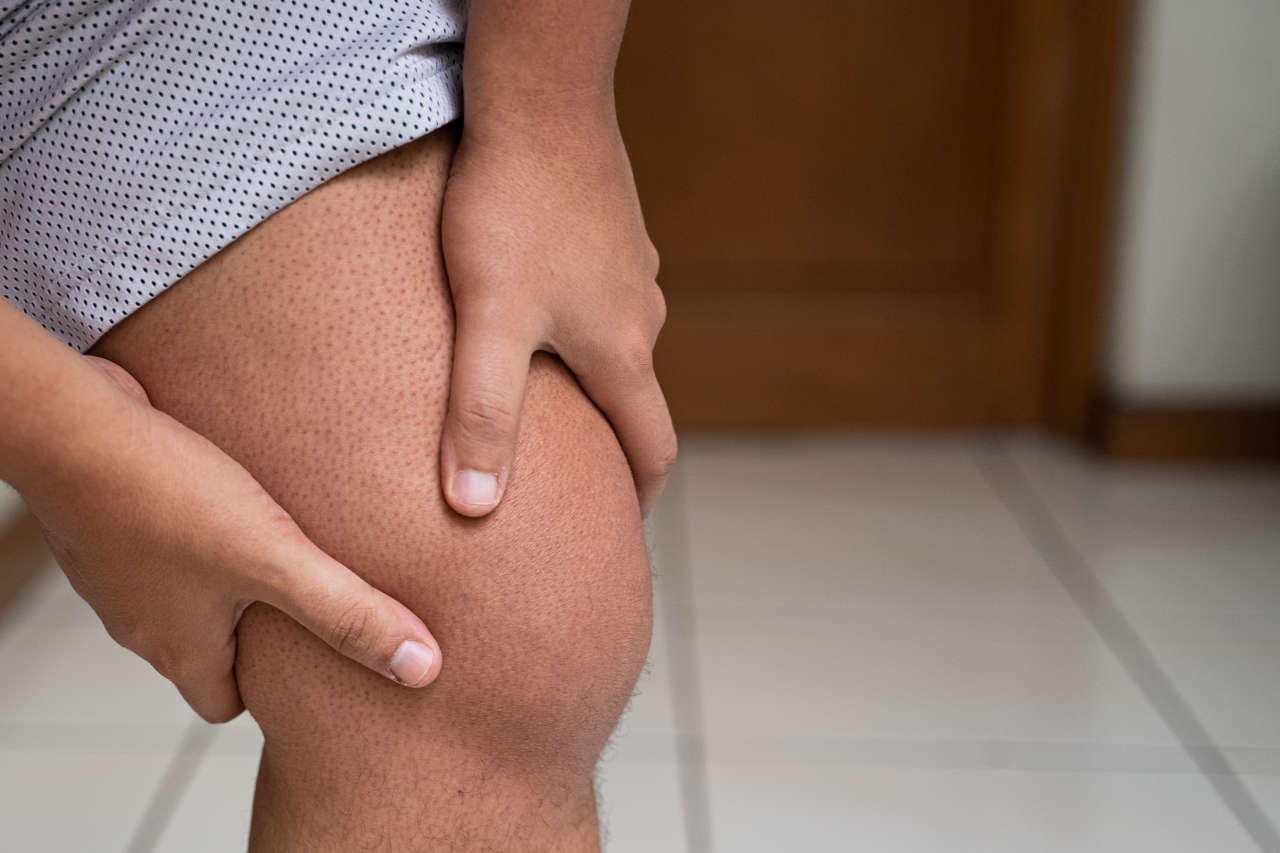
Gout attacks can come out of nowhere. For someone dealing with their first flare-up, the experience is often confusing. One day, the joint may be fine. The next day, it may become swollen, tender, and searingly painful, without obvious triggers. Dealing with the discomfort can feel scary. But what people don’t realize is that it didn’t start suddenly. Gout creeps up slowly, over time.
Your Prescriptions Sorted and Delivered
Small things in your body, daily routines, and other health issues may trigger gouty flares. You may not see them until the first big flare-up, but they’re there. Recognizing these factors is the first step to feeling better.
When you understand what’s going on below the surface, you can better take care of yourself and deal with gout proactively. Read on to understand gout, its causes, how to prevent it, and how to treat it.
What Is Gout?
Gout is a type of inflammatory arthritis that occurs when uric acid accumulates in the blood and crystals form in the joints. The crystals cause severe inflammation and sudden, intense pain.
Uric acid is a natural waste product that forms when the body breaks down substances called purines. Purines are found in certain foods and are also produced by the body. The kidneys usually remove uric acid, but if the body produces too much or the kidneys can’t remove enough, uric acid levels rise and crystals form.
Gout most often affects the big toe, but it can also affect the ankles, knees, wrists, fingers, and elbows. Gout flare-ups can occur occasionally, but if they are not treated, they can become more frequent and affect multiple joints. Over 12 million American adults are affected by gout.
Gout Symptoms
- Sudden, intense joint pain
- Swelling and redness
- Warmth around the affected joint
- Stiffness or limited movement
- Pain that worsens at night
- Low-grade fever (if flare is severe)
What Causes Gout?
Understanding the causes of gout is the first step toward preventing it. Here are the factors that usually trigger gout:
- High levels of uric acid in the blood: Gout is caused by a buildup of uric acid in the blood, which can lead to the formation of crystals in the joints and cause inflammation. Genetically high uric acid (also called familial or inherited hyperuricemia) can also happen when your body is predisposed to produce too much uric acid or excrete too little of it (even with a healthy lifestyle).
- Kidney function: If the kidneys are not functioning properly, they may not be able to filter out uric acid effectively, leading to an increase in blood uric acid levels and a higher risk of gout.
- Diet: Consuming a diet high in purines, such as red meat, organ meats, and certain seafood, can increase uric acid production in the body.
- Alcohol: Drinking alcohol, particularly beer, can also contribute to gout by increasing the production of uric acid and interfering with the body’s ability to eliminate it.
- Dehydration: Not drinking enough water can cause the kidneys to be less effective in removing uric acid from the body.
- Body weight: Being overweight can lead to an increase in uric acid production and a decrease in uric acid elimination. Patients with insulin resistance and diabetes are at particular high risk.
- Physiologic Stressor: Acute illnesses or infection, surgery or trauma, and even high emotional stress can trigger gout.
- Medications and other medical conditions: Certain medications (such as loop diuretics or niacin) and medical conditions, such as kidney disease and genetic factors, can also contribute to high levels of uric acid in the blood.
How To Treat Gout
Treating gout involves two main goals: easing the pain and swelling of a current attack, and preventing future flare-ups by managing uric acid levels in the body:
Treatment During an Attack
During a gout attack, doctors usually prescribe nonsteroidal anti-inflammatory drugs (NSAIDs) to help relieve pain and inflammation as quickly as possible. Over-the-counter options include ibuprofen or naproxen. But prescription NSAIDs are more potent. Colchicine can also be used early in a gout flare-up to reduce inflammation and pain. When NSAIDs and colchicine are not suitable, corticosteroids (oral prednisone or cortisone injected directly into the joint) are used to decrease inflammation.
Long-Term Uric Acid Control
For people with gout, long-term medications that lower uric acid levels in the body can help prevent future attacks. Allopurinol and febuxostat lower the production of uric acid in the body, while probenecid increases the excretion of uric acid by the kidneys. Pegloticase, popularly known as Krystexxa, may be used for the treatment of severe or refractory gout. These therapies may also help dissolve existing uric acid crystals.
Medbox: Never Sort Medications Again
How To Prevent Gout
Preventing gout is often easier than treating it. Small, consistent habits can keep flare-ups at bay and protect your joints for the long term:
1. Maintain a Healthy Weight

Losing weight slowly and steadily can help prevent gout attacks, as excess weight raises uric acid levels in the blood and puts additional pressure on joints. Here’s how to lose weight properly: eat smaller portions and stay physically active. Be mindful of what you eat. Consider replacing sugary snacks with fruits and going for a daily walk.
2. Drink Plenty of Water
Staying hydrated is important for flushing uric acid out of the body, preventing the build-up of crystals in joints. Drinking at least 8–10 glasses of water daily is recommended. You would need even more if you are physically active or live in a hot, dry climate. You can also drink herbal teas or consume water-rich foods such as cucumbers or watermelon. Avoid sugary beverages.
3. Limit Foods High in Purines
A diet rich in red meat, organ meats, and certain seafood is high in purines, which can be converted to uric acid. Instead, try to focus on other protein sources, such as eggs, tofu, lentils, and low-fat dairy options. Avoiding high-purine foods and substituting them with lower-purine alternatives can lead to long-term changes in uric acid levels, even if the replacements are small (e.g., chicken instead of beef; salmon instead of sardines).
4. Limit Alcohol
Drinking beer or liquor can increase uric acid production and lead to gout attacks. Try to consume alcohol in moderation (one or fewer drinks/day) and with smaller servings. Opt for drinks that have a lower impact on uric acid levels, such as wine. Try keeping track of alcohol intake to identify potential triggers and avoid alcohol when recovering from a gout flare.
Conclusion
Gout attacks can be sudden, painful, and inconvenient. It may be helpful to identify your personal triggers. If flare-ups are frequent, it is important to talk to your doctor about possible preventive meds. The good news is that with proper management and prevention, gout is a manageable condition and often avoidable. By understanding what causes gout, knowing the early signs and symptoms, and taking daily steps, you can greatly decrease your risk of flare-ups.
About the Author

Reviewed by Dr. Kurt Hong
Dr. Kurt Hong, M.D., PhD., was raised in Los Angeles, CA. He received his M.D. degree from Harvard Medical School in 1999 and a Ph.D in Cellular and Molecular Pathology from UCLA in 2008. Dr. Hong is a professor who currently teaches at the USC School of Gerontology and the USC Keck School of Medicine, and has received multiple teaching awards. The most rewarding part of his job is providing meaningful care that has a direct impact on patients' lives. His areas of expertise include gerontology, clinical nutrition, geriatrics, integrative health, and precision medicine. Dr. Hong's current areas of research interest include studying nutrition and metabolic factors that contribute to age-related diseases and conditions. In his free time, Dr. Hong enjoys running, hiking, traveling, and cooking.
This information is not a substitute for medical advice or treatment. Talk to your doctor or healthcare provider about your medical condition prior to starting any new treatment. MedBox by AmeriPharma assumes no liability whatsoever for the information provided or for any diagnosis or treatment made as a result, nor is it responsible for the reliability of the content. MedBox by AmeriPharma does not operate all the websites/organizations listed here, nor is it responsible for the availability or reliability of their content. These listings do not imply or constitute an endorsement, sponsorship, or recommendation by MedBox by AmeriPharma. This webpage may contain references to brand-name prescription drugs that are trademarks or registered trademarks of pharmaceutical manufacturers not affiliated with MedBox by AmeriPharma.

 English
  Spanish
  Chinese
  Vietnamese