
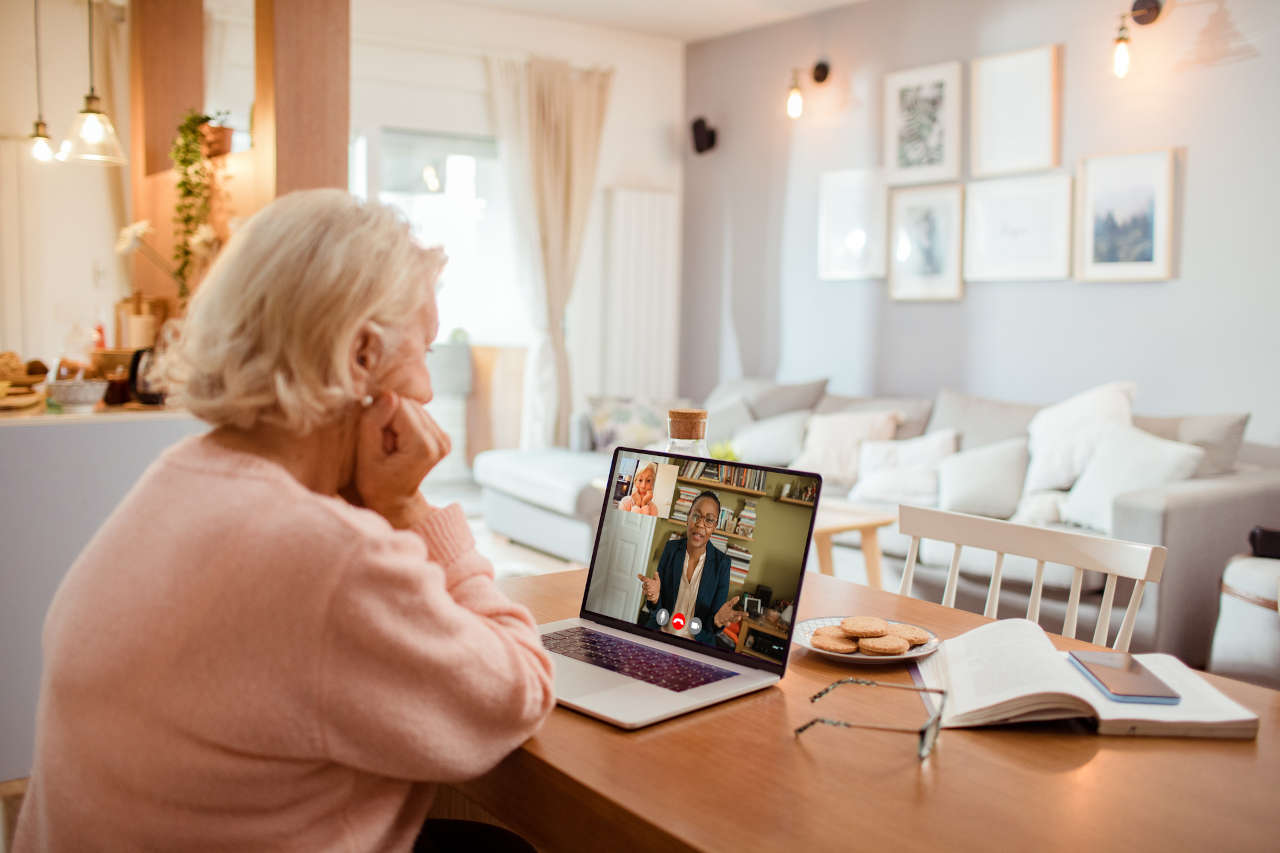
Hiện nay, hàng triệu người đang tiếp cận dịch vụ chăm sóc sức khỏe tâm thần mà không cần đến gặp bác sĩ trị liệu. Nghiên cứu Điều này cho thấy 551.449% tổng số lượt khám sức khỏe tâm thần hiện nay được thực hiện từ xa. Các dịch vụ trị liệu ảo đã phát triển nhanh chóng trong những năm gần đây, giúp việc chăm sóc sức khỏe tâm thần, điều trị tâm thần và hỗ trợ liên tục trở nên dễ tiếp cận hơn bao giờ hết.
Medbox: Không bao giờ phải phân loại thuốc nữa
Trước đây, việc tìm kiếm dịch vụ chăm sóc sức khỏe tâm thần thường đồng nghĩa với việc phải đối mặt với những khó khăn về đi lại, khoảng cách địa lý, số lượng cuộc hẹn hạn chế và thời gian chờ đợi lâu. Ngày nay, mọi người có thể kết nối với các chuyên gia sức khỏe tâm thần được cấp phép ngay tại nhà thông qua các buổi tư vấn trực tuyến, cuộc gọi điện thoại, nền tảng nhắn tin và các dịch vụ y tế từ xa chuyên biệt.
Cho dù bạn đang tìm kiếm sự hỗ trợ để giải quyết chứng lo âu, trầm cảm, Đối với các vấn đề như căng thẳng, khó khăn trong mối quan hệ hoặc các mối lo ngại về sức khỏe tâm thần khác, chăm sóc sức khỏe tâm thần trực tuyến cung cấp một cách thuận tiện để tiếp cận sự trợ giúp chuyên nghiệp. Hướng dẫn này giải thích cách thức hoạt động của chăm sóc sức khỏe tâm thần trực tuyến, những lợi ích và hạn chế của nó, và cách chọn nhà cung cấp phù hợp.
Trị liệu trực tuyến là gì?
Liệu pháp ảo đề cập đến việc nhận được sự chăm sóc về mặt cảm xúc và tâm lý từ xa bằng công nghệ. Điều này có thể được thực hiện thông qua điện thoại di động, máy tính bảng, máy tính hoặc bất kỳ thiết bị điện tử nào khác. Tin tốt là hầu hết các gói bảo hiểm y tế hiện nay đều bao gồm liệu pháp và tư vấn ảo, giúp bệnh nhân dễ dàng tiếp cận dịch vụ chăm sóc ở bất cứ đâu.
Thay vì gặp chuyên gia trị liệu hoặc bác sĩ tại phòng khám, các cuộc thăm khám trực tuyến cho phép mọi người tham gia các cuộc hẹn từ nhà thông qua trò chuyện video, cuộc gọi điện thoại, tin nhắn hoặc ứng dụng sức khỏe tâm thần. Thông qua chăm sóc sức khỏe tâm thần trực tuyến, các cá nhân có thể tiếp cận liệu pháp, đánh giá tâm thần, quản lý thuốc và hỗ trợ liên tục.
Liệu pháp ảo hoạt động như thế nào?
Liệu pháp trực tuyến rất giống với liệu pháp truyền thống mà bạn sẽ nhận được trực tiếp. Điểm khác biệt là mọi thứ đều được thực hiện qua internet. Sau khi chọn được nhà cung cấp hoặc nền tảng, bạn thường sẽ điền vào mẫu thông tin ban đầu, tạo tài khoản và lên lịch cho buổi hẹn đầu tiên.
Việc lên lịch và đặt lịch hẹn thường khá đơn giản — thậm chí còn dễ hơn cả gọi điện đến văn phòng truyền thống. Bản thân các buổi trị liệu qua video, sau khi kết nối, tạo cảm giác quen thuộc (tương tự như Zoom hoặc FaceTime). Trị liệu dựa trên tin nhắn cũng trực quan đối với những người đã quen thuộc với việc nhắn tin.
Trong các buổi trị liệu, chuyên gia sẽ đăng nhập vào cuộc trò chuyện video an toàn, đường dây điện thoại hoặc nền tảng nhắn tin, tùy thuộc vào dịch vụ được cung cấp. Các buổi trị liệu có thể bao gồm các vấn đề về cảm xúc, căng thẳng, lo âu, các mối quan hệ, thói quen hoặc cơ chế đối phó.
Nhiều dịch vụ cung cấp lịch hẹn linh hoạt, nhắc nhở lịch hẹn và các tính năng nhắn tin an toàn giúp cá nhân duy trì sự tham gia vào kế hoạch điều trị của họ.
Lợi ích của chăm sóc sức khỏe tâm thần trực tuyến
Dưới đây là một số lợi ích chính khi lựa chọn hỗ trợ sức khỏe tâm thần trực tuyến:
1. Lịch trình linh hoạt hơn
Các cuộc hẹn trực tuyến thường có thể được sắp xếp phù hợp với công việc, học tập, nghĩa vụ gia đình và các trách nhiệm khác. Sự linh hoạt này có thể giúp bạn dễ dàng tham gia các buổi trị liệu đều đặn và duy trì điều trị lâu dài. Ngoài ra, nhiều nền tảng còn cung cấp các cuộc hẹn vào buổi tối và cuối tuần.
2. Tăng cường khả năng tiếp cận với các chuyên gia
Chăm sóc sức khỏe trực tuyến mở rộng khả năng tiếp cận với các nhà cung cấp dịch vụ có thể không có sẵn tại địa phương. Điều này đặc biệt có lợi cho những người đang tìm kiếm điều trị chuyên khoa cho chứng lo âu, trầm cảm, chấn thương tâm lý, rối loạn ăn uống hoặc các vấn đề sức khỏe tâm thần khác.
3. Thoải mái hơn trong các buổi trị liệu và giảm bớt sự kỳ thị
Việc thảo luận về những trải nghiệm và cảm xúc cá nhân có thể rất khó khăn. Nhiều người cảm thấy thoải mái hơn khi chia sẻ trong môi trường quen thuộc, điều này có thể giúp họ tham gia trị liệu một cách trọn vẹn hơn.
4. Sự liên tục trong chăm sóc
Đối với nhiều bệnh nhân, chăm sóc trực tuyến dễ duy trì hơn trong quá trình đi du lịch, chuyển nhà hoặc những thay đổi lớn trong cuộc sống. Ngoài ra, số lần hủy hẹn do thời tiết, ốm đau hoặc vấn đề đi lại cũng ít hơn. Cuối cùng, các nền tảng nhắn tin cho phép duy trì liên lạc giữa các buổi khám.
Những thách thức tiềm tàng cần xem xét
Trước khi bắt đầu, điều quan trọng là phải hiểu những nhược điểm có thể xảy ra:

1. Các vấn đề về công nghệ và Internet
Liệu pháp trực tuyến phụ thuộc vào việc công nghệ hoạt động tốt. Âm thanh kém chất lượng, video bị lỗi hoặc các rào cản công nghệ khác có thể gây xao nhãng, làm tăng sự kích động và gây khó khăn trong việc tập trung hoặc xử lý cảm xúc trong suốt buổi trị liệu. Các khu vực nông thôn có đường truyền internet băng thông rộng kém sẽ bị hạn chế hưởng lợi mặc dù dịch vụ này chưa được phục vụ đầy đủ.
2. Quyền riêng tư hạn chế tại nhà
Mức độ riêng tư tại nhà có thể ảnh hưởng đáng kể đến sự sẵn lòng chia sẻ những vấn đề cá nhân của bạn. Sự hiện diện của gia đình, bạn cùng phòng hoặc tiếng ồn xung quanh có thể khiến bạn ngần ngại mở lòng và cảm thấy không thực sự an toàn khi chia sẻ những chi tiết nhạy cảm.
Nhà thuốc của chúng tôi sẽ phân loại và đóng gói thuốc cho bạn.
3. Quyền riêng tư và bảo mật dữ liệu
Hầu hết các nhà cung cấp dịch vụ khám chữa bệnh từ xa đều sử dụng nền tảng mã hóa để bảo vệ thông tin bệnh nhân, nhưng cá nhân vẫn nên đảm bảo sử dụng kết nối internet an toàn và tham gia các buổi khám trong môi trường riêng tư bất cứ khi nào có thể.
4. Mệt mỏi do sử dụng thiết bị kỹ thuật số
Việc dành thời gian dài cho các cuộc gọi video có thể gây mệt mỏi về tinh thần đối với một số người. Các buổi gặp mặt trực tuyến có thể kém hấp dẫn hơn so với tương tác trực tiếp, đặc biệt là đối với những người đã dành phần lớn thời gian trong ngày sử dụng màn hình.
5. Khó khăn trong việc xây dựng mối liên hệ
Mặc dù liệu pháp trực tuyến có thể rất hiệu quả, nhưng một số người cảm thấy khó khăn hơn trong việc xây dựng mối quan hệ, giải mã giao tiếp phi ngôn ngữ hoặc thảo luận các chủ đề nhạy cảm khi tương tác qua màn hình so với gặp mặt trực tiếp.
6. Không lý tưởng cho mọi tình huống
Liệu pháp trực tuyến có thể không phù hợp với mọi vấn đề sức khỏe tâm thần. Một số cá nhân gặp phải các triệu chứng nghiêm trọng, các tình trạng tâm thần phức tạp hoặc sức khỏe tâm thần xấu đi nhanh chóng có thể được hưởng lợi từ điều trị trực tiếp hoặc mức độ chăm sóc cao hơn.
Các trường hợp khẩn cấp về sức khỏe tâm thần
Các dịch vụ sức khỏe tâm thần trực tuyến không nhằm mục đích thay thế chăm sóc khẩn cấp. Nếu bạn hoặc người quen của bạn đang có ý nghĩ tự làm hại bản thân, ý định tự tử hoặc đang gặp trường hợp khẩn cấp về tâm thần, hãy liên hệ với dịch vụ cấp cứu, gọi 988 tại Hoa Kỳ hoặc tìm kiếm sự trợ giúp y tế trực tiếp ngay lập tức.
Cách chọn nhà cung cấp dịch vụ sức khỏe tâm thần trực tuyến phù hợp
Để giúp bạn tìm được người phù hợp nhất trong thế giới ảo, dưới đây là lộ trình đơn giản để hướng dẫn quá trình tìm kiếm của bạn:
1. Xác định nhu cầu cụ thể
Bạn đang tìm kiếm loại hỗ trợ nào? Một số người có thể được hưởng lợi từ liệu pháp trò chuyện, trong khi những người khác có thể cần chăm sóc tâm thần., quản lý thuốc, hoặc kết hợp nhiều dịch vụ. Hiểu rõ mục tiêu của bạn có thể giúp thu hẹp phạm vi tìm kiếm.
2. Xác minh bằng cấp và giấy phép
Hãy xác nhận rằng chuyên gia đó có giấy phép hành nghề hợp lệ tại tiểu bang của bạn. Thông thường, bạn có thể xác minh bằng cấp thông qua... trang web của hội đồng cấp phép của tiểu bang.
3. Hãy chắc chắn rằng nhà cung cấp phù hợp với bạn.
Hãy tìm một nhà trị liệu có chuyên môn về những vấn đề cụ thể của bạn (chấn thương tâm lý, trầm cảm, lo âu, v.v.). Điều quan trọng nữa là phải xem xét nền tảng văn hóa, ngôn ngữ, giới tính và sự phù hợp về bản sắc – tất cả đều ảnh hưởng đến mối quan hệ trị liệu với nhà trị liệu của bạn.
4. Kiểm tra khả năng tương thích kỹ thuật
Hãy chọn một nền tảng dễ sử dụng và tương thích với các thiết bị của bạn. Công nghệ đáng tin cậy có thể giúp giảm căng thẳng và ngăn ngừa gián đoạn trong các cuộc hẹn.
5. Đánh giá các lựa chọn giao tiếp
Hãy xem xét phong cách giao tiếp nào bạn cảm thấy thoải mái nhất. Một số người thích các cuộc họp video, trong khi những người khác có thể cảm thấy thoải mái hơn khi nói chuyện qua điện thoại hoặc sử dụng các nền tảng nhắn tin bảo mật.
6. Xem xét bảo hiểm và chi phí
Trước khi đặt lịch hẹn, hãy xác minh xem nhà cung cấp dịch vụ có chấp nhận bảo hiểm của bạn hay không. Nếu thanh toán bằng tiền mặt, hãy hỏi về chi phí mỗi buổi trị liệu, các phương án trả góp hoặc các lựa chọn giá theo thu nhập.
7. Lên lịch tư vấn
Nhiều nhà cung cấp dịch vụ đưa ra các buổi tư vấn ban đầu, cho phép bạn đặt câu hỏi và xác định xem phương pháp của nhà trị liệu có phù hợp với mình hay không. Việc tìm được nhà trị liệu phù hợp có thể mất thời gian, và việc gặp gỡ nhiều hơn một chuyên gia trước khi đưa ra quyết định là hoàn toàn bình thường.
Đơn thuốc được sắp xếp theo thứ tự | Bạn chỉ cần thanh toán phí đồng chi trả.
Phần kết luận
Liệu pháp trực tuyến đã thay đổi cách mọi người tiếp cận dịch vụ chăm sóc sức khỏe tâm thần, các dịch vụ tâm thần và hỗ trợ tinh thần liên tục. Bằng cách loại bỏ các rào cản như thời gian di chuyển, xung đột lịch trình và hạn chế về địa lý, telehealth đã giúp nhiều người dễ dàng tiếp cận dịch vụ chăm sóc sức khỏe tâm thần hơn.
Mặc dù chăm sóc sức khỏe tâm thần trực tuyến mang lại sự tiện lợi và linh hoạt, điều quan trọng là phải xem xét các yếu tố như quyền riêng tư, yêu cầu về công nghệ và bản chất của các vấn đề sức khỏe tâm thần đang được giải quyết. Bằng cách hiểu cả lợi ích và hạn chế của chăm sóc sức khỏe từ xa, các cá nhân có thể đưa ra quyết định sáng suốt về việc liệu chăm sóc sức khỏe tâm thần trực tuyến có phù hợp với nhu cầu của họ hay không.
Về tác giả

Đã được đánh giá bởi Tiến sĩ Kurt Hong
Tiến sĩ Kurt Hong, MD, PhD., lớn lên tại Los Angeles, CA. Ông nhận bằng MD từ Trường Y Harvard năm 1999 và bằng Tiến sĩ về Bệnh lý tế bào và phân tử từ UCLA năm 2008. Tiến sĩ Hong là giáo sư hiện đang giảng dạy tại Trường Lão khoa USC và Trường Y khoa USC Keck, và đã nhận được nhiều giải thưởng giảng dạy. Phần bổ ích nhất trong công việc của ông là cung cấp dịch vụ chăm sóc có ý nghĩa có tác động trực tiếp đến cuộc sống của bệnh nhân. Các lĩnh vực chuyên môn của ông bao gồm lão khoa, dinh dưỡng lâm sàng, lão khoa, sức khỏe tích hợp và y học chính xác. Các lĩnh vực nghiên cứu hiện tại của Tiến sĩ Hong bao gồm nghiên cứu dinh dưỡng và các yếu tố chuyển hóa góp phần gây ra các bệnh và tình trạng liên quan đến tuổi tác. Trong thời gian rảnh rỗi, Tiến sĩ Hong thích chạy bộ, đi bộ đường dài, du lịch và nấu ăn.
Thông tin này không thay thế cho lời khuyên hoặc phương pháp điều trị y tế. Hãy trao đổi với bác sĩ hoặc nhà cung cấp dịch vụ chăm sóc sức khỏe về tình trạng sức khỏe của bạn trước khi bắt đầu bất kỳ phương pháp điều trị mới nào. MedBox by AmeriPharma không chịu bất kỳ trách nhiệm nào đối với thông tin được cung cấp hoặc đối với bất kỳ chẩn đoán hoặc phương pháp điều trị nào được đưa ra do thông tin đó, cũng như không chịu trách nhiệm về độ tin cậy của nội dung. MedBox by AmeriPharma không vận hành tất cả các trang web/tổ chức được liệt kê ở đây, cũng không chịu trách nhiệm về tính khả dụng hoặc độ tin cậy của nội dung của họ. Các danh sách này không ngụ ý hoặc cấu thành sự chứng thực, tài trợ hoặc khuyến nghị của MedBox by AmeriPharma. Trang web này có thể chứa các tham chiếu đến các loại thuốc theo toa có tên thương hiệu là nhãn hiệu hoặc nhãn hiệu đã đăng ký của các nhà sản xuất dược phẩm không liên kết với MedBox by AmeriPharma.