

Uống thuốc nghe có vẻ đơn giản, nhưng thực tế có thể trở nên phức tạp nhanh chóng, đặc biệt khi ai đó phải quản lý nhiều đơn thuốc, lịch dùng thuốc khác nhau và thường xuyên phải mua thuốc lại. Đối với các gia đình quản lý thuốc cho người thân, việc theo dõi thuốc có thể trở nên quá tải.
Đơn thuốc của bạn được phân loại và giao
Một số loại thuốc cần phải uống cùng với thức ăn. Một số khác phải uống cách nhau vài giờ. Một số loại thuốc kê đơn chỉ được dùng khi cần thiết, hoặc tác dụng của chúng có thể thay đổi tùy thuộc vào tình trạng sức khỏe của người bệnh trong ngày hôm đó.
Với quá nhiều chi tiết cần quản lý, việc bỏ sót liều thuốc, nhầm lẫn thuốc hoặc uống thuốc sai giờ rất dễ xảy ra. Những sai sót nhỏ có vẻ không đáng kể, nhưng theo thời gian, chúng có thể ảnh hưởng xấu đến sức khỏe và tinh thần của người bệnh. Tin tốt là việc áp dụng một vài lời khuyên và thói quen đơn giản có thể giúp việc quản lý thuốc trở nên dễ dàng hơn nhiều. Nhiều người chăm sóc phải quản lý năm đơn thuốc trở lên cho người thân yêu, và nếu không có một hệ thống rõ ràng, mọi việc có thể bị bỏ sót.
Hãy tiếp tục đọc để tìm hiểu những mẹo thiết thực giúp bạn sắp xếp mọi thứ ngăn nắp hơn, quản lý thuốc tốt hơn và phòng tránh những sự cố không mong muốn.
Mẹo thực tế để quản lý thuốc cho người thân yêu
Dưới đây là một số lời khuyên thiết thực giúp đảm bảo người thân của bạn tuân thủ đúng liều lượng thuốc và duy trì sức khỏe tốt nhất có thể:
1. Sử dụng MedBox để sắp xếp thuốc
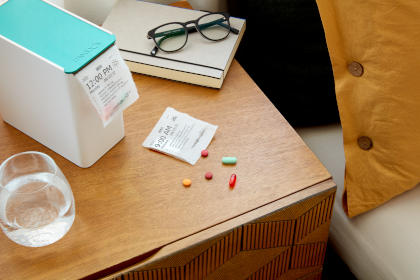
Quản lý nhiều loại thuốc có thể phức tạp, nhưng sử dụng dịch vụ quản lý thuốc là một cách tuyệt vời để giữ mọi thứ ngăn nắp. Một dịch vụ như MedBox Bạn có thể sắp xếp tất cả thuốc của mình vào các gói dễ sử dụng, được dán nhãn rõ ràng với ngày, giờ và liều lượng.
MedBox sẽ giao những gói thuốc này tận nhà bạn, giúp bạn không bao giờ phải lục tìm trong một đống lọ thuốc nữa. Hơn nữa, đội ngũ MedBox sẽ phối hợp trực tiếp với bác sĩ, nhà cung cấp dịch vụ chăm sóc sức khỏe và các công ty bảo hiểm để đơn giản hóa việc cấp phát thuốc lại, đảm bảo bạn luôn có sẵn các loại thuốc thiết yếu. Tìm hiểu thêm về cách thức hoạt động của MedBox.
2. Để thuốc ở cùng một chỗ
Rất dễ quên uống thuốc nếu thuốc không được bảo quản đúng cách. Nếu các lọ thuốc nằm rải rác ở các phòng khác nhau, chúng có thể bị thất lạc hoặc bỏ sót. Hãy để tất cả thuốc ở một nơi cố định. Tủ hoặc ngăn kéo có khóa là lý tưởng, hoặc thậm chí là trên kệ cao ngoài tầm với của trẻ em và vật nuôi.
Việc cất giữ mọi thứ ở cùng một chỗ giúp dễ dàng nhận biết khi thuốc sắp hết hoặc cần bổ sung. Điều này cũng làm giảm nguy cơ người chăm sóc vô tình cho nhầm thuốc hoặc quên thuốc.
Việc sắp xếp thuốc theo cách này có thể giảm nguy cơ nhầm lẫn, đặc biệt khi có nhiều thành viên trong gia đình, người chăm sóc hoặc... cùng sử dụng. bạn đồng hành sống chung tham gia vào việc quản lý thuốc.
3. Thường xuyên xem xét lại các loại thuốc đang dùng với bác sĩ hoặc dược sĩ.
Danh sách thuốc của người thân bạn có thể thay đổi theo thời gian. Điều quan trọng là phải lên lịch hẹn khám định kỳ với bác sĩ hoặc dược sĩ để xem xét lại các loại thuốc và xác định xem có cần thay đổi gì không. Hãy hỏi về việc thay đổi liều lượng, thay thế thuốc có tác dụng phụ không mong muốn, hoặc thậm chí loại bỏ thuốc nếu chúng không còn phù hợp. Người thân của bạn thậm chí có thể cần thêm thuốc nếu phát sinh thêm bất kỳ vấn đề nào khác.
Ngoài việc xác định các loại thuốc, bạn cũng nên hỏi về tương tác thuốc và tác dụng phụ. Hãy hỏi bác sĩ xem họ có thể thực hiện đánh giá đầy đủ về thuốc bạn đang dùng trong lần khám tiếp theo hay không. Nếu không, nhiều nhà thuốc cung cấp dịch vụ đặt lịch hẹn để bạn nói chuyện trực tiếp với dược sĩ.
4. Theo dõi các tác dụng phụ hoặc phản ứng
Tác dụng phụ khá phổ biến, với ước tính dao động từ... 5-10%. Vì vậy, điều quan trọng là phải theo dõi sát sao người thân của bạn bất cứ khi nào có đơn thuốc mới được thêm vào hoặc thay đổi. Hãy chú ý đến bất kỳ sự thay đổi nào về hành vi, khẩu vị, mức năng lượng hoặc tâm trạng. Ngay cả những thay đổi nhỏ cũng đáng được ghi nhận.
Trong một số trường hợp, việc điều chỉnh liều lượng đơn giản có thể loại bỏ nhiều tác dụng phụ. Nhưng một số tác dụng phụ khác có thể nghiêm trọng hơn và cần được cấp cứu y tế. Nếu cảm thấy có điều gì đó không ổn sau khi bắt đầu dùng thuốc, hãy gọi ngay cho bác sĩ hoặc dược sĩ.
Hãy nhớ rằng tác dụng phụ không phải lúc nào cũng xuất hiện ngay lập tức. Chúng có thể xuất hiện vài ngày hoặc thậm chí vài tuần sau khi bắt đầu dùng thuốc mới. Tiếp tục theo dõi hành vi của người thân ngay cả khi đã dùng thuốc theo đúng chỉ định.
Medbox: Không bao giờ phải phân loại thuốc nữa
5. Sắp xếp đơn thuốc theo thời gian trong ngày
Nếu cần uống thuốc vào những thời điểm khác nhau trong ngày, hãy sắp xếp chúng theo thời gian cần uống. Ví dụ, cho thuốc uống buổi sáng vào một hộp, thuốc uống buổi chiều vào một hộp khác và thuốc uống buổi tối vào một hộp thứ ba. Điều này sẽ giúp bạn dễ dàng đảm bảo uống đúng liều thuốc khi cần thiết.
Nếu bạn sử dụng MedBox, Các gói thuốc được sắp xếp sẵn theo thời gian, vì vậy bạn không cần phải tự phân loại. Không cần phải đoán mò vì mỗi gói sẽ được dán nhãn rõ ràng với ngày, giờ và hướng dẫn liều lượng cụ thể.
6. Hạn chế quyền truy cập
Để bảo vệ mọi người trong nhà, kể cả người thân yêu của bạn, bạn cũng nên kiểm soát ai được phép tiếp cận thuốc. Điều quan trọng là phải cất giữ thuốc ở nơi an toàn, đặc biệt là những loại thuốc có thể gây hại nếu sử dụng sai cách.
Điều này đặc biệt quan trọng cần cân nhắc nếu nhà bạn có trẻ nhỏ. Hãy cất thuốc theo toa vào tủ có khóa hoặc hộp đựng thuốc có nắp khóa. Bạn thậm chí có thể cất chúng trong két sắt.
Chỉ nên giữ một lượng thuốc hạn chế ở nhà và vứt bỏ thuốc hết hạn một cách an toàn. Bằng cách này, bạn có thể đảm bảo rằng trẻ em và những người khác trong nhà không thể tiếp cận và sử dụng thuốc mà không có sự giám sát.
7. Bảo quản thuốc trong bao bì gốc.
Việc đổ thuốc vào hộp đựng thuốc hàng tuần hoặc một loại hộp khác có thể tiện lợi. Tuy nhiên, trừ khi bạn sử dụng dịch vụ đóng gói chuyên nghiệp như... MedBox, Các chuyên gia khuyên nên giữ thuốc trong bao bì gốc. Chai thuốc gốc có ghi các thông tin quan trọng, bao gồm hạn sử dụng và hướng dẫn sử dụng.
Bao bì gốc giúp dễ dàng kiểm tra liều lượng, nhận dạng thuốc và bảo quản thuốc đúng cách. Một số loại thuốc có thể có hướng dẫn bảo quản cụ thể để tránh ánh sáng, độ ẩm hoặc nhiệt độ nhất định, thường được ghi trên bao bì gốc.
Phần kết luận
Việc quản lý thuốc cho người thân có thể khiến nhiều người cảm thấy choáng ngợp, nhưng những hệ thống đơn giản và việc thường xuyên liên lạc với các nhà cung cấp dịch vụ chăm sóc sức khỏe có thể giúp quá trình này dễ dàng hơn nhiều. Với những thói quen đúng đắn, gia đình có thể giúp đảm bảo thuốc được uống an toàn và đều đặn.
Về tác giả

Đã được đánh giá bởi Tiến sĩ Ryo Sanabria
Tiến sĩ Ryo Sanabria, Tiến sĩ, sinh ra và lớn lên tại New York. Họ nhận bằng Cử nhân Nghệ thuật và Thạc sĩ Công nghệ sinh học từ Cao đẳng Hunter CUNY, và bằng Thạc sĩ, Thạc sĩ Triết học và Tiến sĩ về Khoa học Dinh dưỡng và Chuyển hóa từ Đại học Columbia. Tiến sĩ Sanabria là giáo sư hiện đang giảng dạy tại Trường Lão khoa Leonard Davis của USC. Các lĩnh vực chuyên môn của họ bao gồm lão khoa, sinh học tế bào, sinh học phân tử, di truyền học và dinh dưỡng. Họ là người nhận được nhiều giải thưởng và trợ cấp và là tác giả của nhiều bài báo nghiên cứu. Phần bổ ích nhất trong công việc của họ là đào tạo và cố vấn cho các nhà khoa học mới. Tiến sĩ Sanabria là người đam mê thể dục và trong thời gian rảnh rỗi, họ thích chạy marathon và cử tạ. Đại từ của Tiến sĩ Sanabria là they/them/their.
Thông tin này không thay thế cho lời khuyên hoặc phương pháp điều trị y tế. Hãy trao đổi với bác sĩ hoặc nhà cung cấp dịch vụ chăm sóc sức khỏe về tình trạng sức khỏe của bạn trước khi bắt đầu bất kỳ phương pháp điều trị mới nào. MedBox by AmeriPharma không chịu bất kỳ trách nhiệm nào đối với thông tin được cung cấp hoặc đối với bất kỳ chẩn đoán hoặc phương pháp điều trị nào được đưa ra do thông tin đó, cũng như không chịu trách nhiệm về độ tin cậy của nội dung. MedBox by AmeriPharma không vận hành tất cả các trang web/tổ chức được liệt kê ở đây, cũng không chịu trách nhiệm về tính khả dụng hoặc độ tin cậy của nội dung của họ. Các danh sách này không ngụ ý hoặc cấu thành sự chứng thực, tài trợ hoặc khuyến nghị của MedBox by AmeriPharma. Trang web này có thể chứa các tham chiếu đến các loại thuốc theo toa có tên thương hiệu là nhãn hiệu hoặc nhãn hiệu đã đăng ký của các nhà sản xuất dược phẩm không liên kết với MedBox by AmeriPharma.